How to Use Automotive Injection Molding for Efficient Production?
In today's automotive industry, efficient production is vital. Automotive injection molding has emerged as a key process. Leading expert Dr. William Carter, a renowned figure in plastics engineering, emphasizes, "Automotive injection molding transforms design into reality with precision and speed." This method, known for its ability to produce complex parts quickly, plays a crucial role in modern vehicle manufacturing.
The efficiency of automotive injection molding lies in its scalability. This process can create thousands of identical parts with minimal variance. Automotive manufacturers increasingly rely on this technique to reduce waste and optimize production lines. However, challenges remain. Issues such as cycle time and material selection can impact quality.
Moreover, the evolving landscape demands continuous improvement. Companies must stay updated on the latest technologies. Investing in skilled personnel is equally important. Balancing efficiency with innovation is a constant challenge. The world of automotive injection molding is dynamic, inviting reflection on existing practices while striving for better solutions.

Understanding Automotive Injection Molding: Key Concepts and Benefits
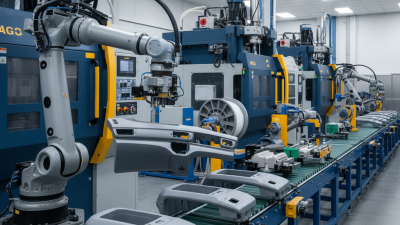
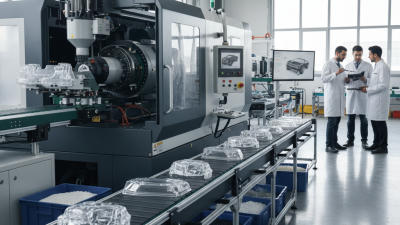
Automotive injection molding is a key technology in modern vehicle production. This process allows for the creation of complex shapes and large volumes of components efficiently. By melting plastic and injecting it into molds, manufacturers can produce parts like dashboards and engine covers quickly. The precision of this method reduces material waste and can lead to cost savings.
A major benefit of automotive injection molding lies in its ability to produce lightweight components. Reducing a vehicle's weight improves fuel efficiency and overall performance. Additionally, this manufacturing technique supports rapid prototyping. Engineers can test designs quickly and iterate based on feedback. However, relying heavily on this process can lead to challenges. For instance, mold design and maintenance require skilled expertise. Investing in training may be necessary.
Companies must also consider the environmental impact of injection molding. While the process is efficient, the plastic materials used can create waste. Exploring biodegradable options may be crucial for sustainable practices. Balancing efficiency and environmental responsibility is a challenge that requires ongoing reflection and adjustment in the production strategy.
Automotive Injection Molding Production Efficiency
Types of Injection Molding Processes Used in the Automotive Industry
The automotive industry relies heavily on various injection molding processes to enhance production efficiency. Key methods include conventional injection molding, gas-assist injection molding, and multi-cavity molding. Each process offers distinct advantages for car parts production. Conventional injection molding is widely used due to its versatility. According to a 2022 report by MarketWatch, this technique accounts for nearly 70% of the global automotive plastic parts market.
Gas-assist injection molding stands out for weight reduction. This method injects gas into the injected material, creating hollow sections. As a result, parts are lighter while maintaining structural integrity. Research indicates that this process can reduce material usage by up to 30%. Multi-cavity molding allows for multiple identical parts to be produced in a single cycle. This can significantly increase output while lowering production costs. However, it raises complexity and tooling investment.
While these processes boost production, they demand precision and expertise. Not all manufacturers can adapt quickly. There is also a learning curve in optimizing each method for specific applications. Engineers must constantly evaluate which process is best for each part, balancing cost, quality, and speed. Keeping abreast of innovations in materials and techniques is vital for continuous improvement.
Choosing the Right Materials for Automotive Injection Molding Applications
Choosing the right materials for automotive injection molding
is crucial for efficient production. Materials impact durability,
weight, cost,
and performance. Common choices include thermoplastics and
thermosets, each with unique properties. For instance, ABS
is tough yet lightweight, making it suitable for interior parts. Polycarbonate offers high impact resistance,
essential for safety components.
When selecting materials, consider environmental factors. Extreme temperatures can degrade some plastics,
affecting longevity. Additionally, sustainability
is gaining importance. Bio-based plastics are emerging as alternatives, but they may vary in performance.
Manufacturers should evaluate their specific needs carefully.
Testing materials before finalizing selections is often overlooked. It's wise to conduct
stress tests and environmental simulations. Sometimes,
a seemingly perfect material might not hold up under real-world conditions. Being proactive in this area can
save costs and time. Innovation in materials science
continues, offering new options regularly. Businesses must stay updated to remain
competitive.
Optimizing Production Efficiency in Automotive Injection Molding
Automotive injection molding plays a crucial role in enhancing efficiency in production. This technique allows manufacturers to create complex components quickly and cost-effectively. According to industry reports, companies that adopt injection molding can reduce production costs by up to 25%. As the automotive industry grows, optimizing this process becomes essential for maintaining competitiveness.
Tips for efficiency include choosing the right materials. Selecting high-quality polymers can lead to a better finish and lower rejection rates. Additionally, machine calibration is vital. Regularly checking equipment can prevent costly downtimes. In fact, manufacturers that invest in maintenance report a 30% increase in production uptime.
Another consideration is the design phase. Overcomplicated designs can slow production and increase errors. Simplifying designs can streamline the molding process. Industry data indicates that well-designed components can cut cycle times by up to 15%. Reflecting on production processes and continually seeking improvements is key to achieving higher efficiency in automotive injection molding.
Quality Control Practices for Automotive Injection Molded Components
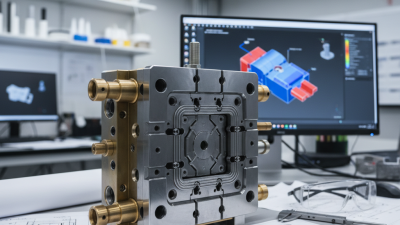
Quality control is essential in automotive injection molding. Ensuring that components meet precise specifications can impact both safety and performance. Implementing rigorous testing protocols can help identify issues early. Regularly inspecting mold designs, materials, and the injection process itself is crucial. This proactive approach minimizes defects and enhances reliability.
In practice, using tools like dimensional checks or non-destructive testing can uncover hidden flaws. While these methods can be effective, errors may still occur. Some molds may wear down unexpectedly, altering the component's quality. Documenting production data helps identify patterns and areas for improvement. This ongoing evaluation fosters a culture of quality.
Training personnel adequately is another vital aspect. Skilled operators can manage the intricate machinery involved in injection molding effectively. However, even experienced workers can overlook details under pressure. Regular refresher courses on best practices can reduce human error. Balancing experience with up-to-date training is key for consistent quality control.