Top 10 Tips for Effective Design for Manufacturing Strategies?
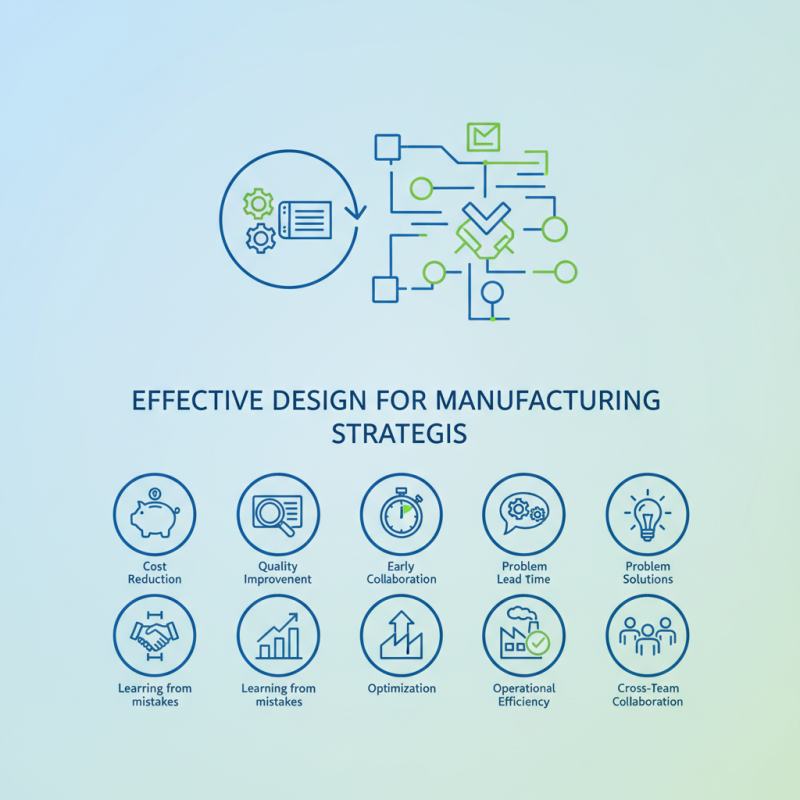
Effective design for manufacturing (DFM) strategies are essential for success in today's competitive landscape. A well-thought-out DFM process can significantly reduce costs, improve product quality, and minimize production lead times. Many companies overlook crucial aspects of DFM, leading to flaws that could have been avoided. By embracing DFM principles, manufacturers can create products that align closely with production capabilities.
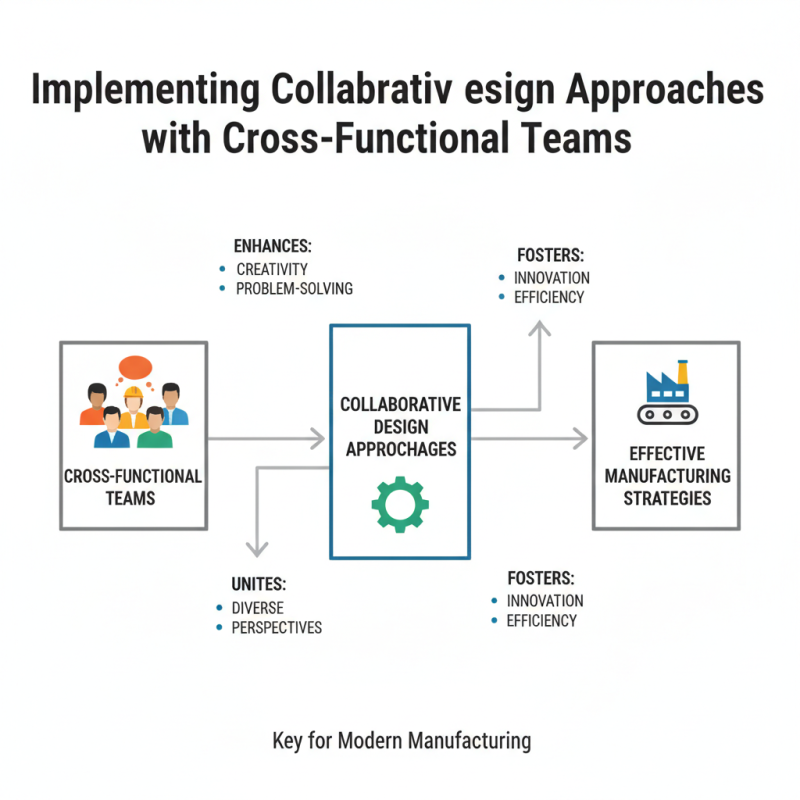
Understanding the needs of both design and manufacturing teams is vital. Early collaboration ensures that the design can be easily produced. This approach also allows for the identification of potential challenges before they escalate into costly problems. Companies should gather insights from experienced professionals in both areas. This combination of expertise fosters innovative solutions.
Mistakes will happen, but reflection on these errors will lead to better practices. An effective DFM strategy includes learning from previous projects. Striving for optimization is an ongoing journey. Focusing on DFM not only benefits individual projects but also enhances overall operational efficiency. In the following sections, we’ll explore ten actionable tips for improving DFM strategies and fostering collaboration across teams.
Understanding Design for Manufacturing (DfM) Principles
Design for Manufacturing (DfM) is vital in product development. It emphasizes designing products in a way that enhances manufacturability. This approach reduces costs and increases efficiency in the production process. By considering how parts fit together and how they will be made, designers can avoid costly modifications later.
An effective DfM strategy encourages collaboration between designers and engineers. This collaboration helps identify potential manufacturing challenges early on. Prototyping and testing are integral parts of this process. Iterating designs based on feedback can lead to more reliable and manufacturable products. Sometimes, however, the focus on cost can push innovation aside.
Additionally, attention must be given to material choices and production methods. Using standard materials and processes can simplify production. Yet, this doesn’t always lead to the best design outcomes. Reflecting on the balance between creativity and practicality is crucial. Ultimately, an effective DfM strategy empowers teams to create products that not only meet market demands but are also manufacturable at scale.
Identifying Key Materials and Processes for Efficient Production
Choosing the right materials is crucial for effective design for manufacturing (DFM) strategies. This impacts the entire production process. For example, lightweight materials can enhance product performance without compromising strength. However, selecting materials often involves complex trade-offs.
Cost, availability, and environmental impact must all be considered.
A sustainable approach may favor recycled materials, but their longer processing times could affect production schedules.
Understanding manufacturing processes is equally important. Different techniques can yield various results. Casting, machining, or additive manufacturing may be suitable based on material choice. Experimenting with prototypes can reveal insights into unexpected challenges. Design modifications may become necessary as production methods are refined.
An effective DFM strategy balances material selection and manufacturing processes. Engaging with suppliers early can clarify material capabilities. However, relying solely on supplier suggestions can overlook alternative solutions. Continuous reflection on both materials and processes leads to improvements. In the end, crafting a successful DFM strategy requires careful consideration of each element in the production chain.
Utilizing Prototyping and Iterative Testing for Design Validation
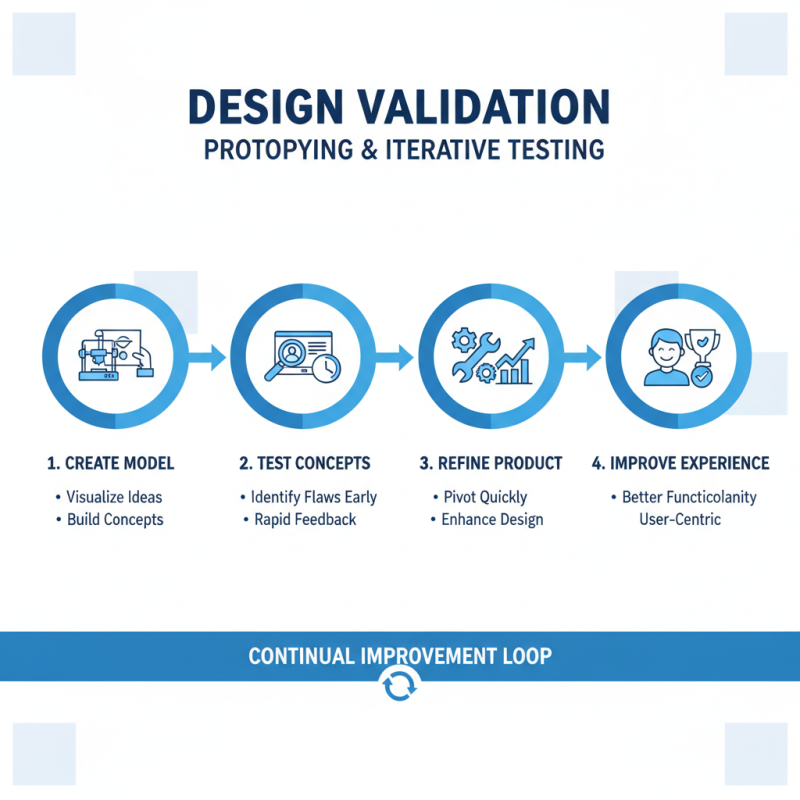
Prototyping and iterative testing are essential for effective design validation. These processes allow designers to create models, test concepts, and refine products continually. A prototype helps visualize ideas, making it easier to identify flaws early. When designers observe problems firsthand, they can pivot quickly. This rapid feedback loop enhances the design, improving functionality and user experience.
Iterative testing offers a hands-on approach to refining designs. Each test provides valuable data. However, it is crucial not to become overly attached to initial ideas. Sometimes, the best solutions emerge from unexpected feedback. Engaging users in testing reveals insights that might otherwise go unnoticed. Designers should embrace these moments of imperfection. They provide opportunities for growth and innovation.
Moreover, cultivating a mindset of experimentation fosters creativity. Teams can explore various materials, techniques, and features. This exploration may lead to surprising results. In turn, companies can differentiate themselves. Effective design for manufacturing requires a balance of creativity and practicality. Ideally, the outcome should resonate with users while meeting production constraints. Striving for perfection may lead to frustration; a willingness to learn from each iteration often leads to success.
Integrating Cost Analysis and Lifecycle Considerations in Design Choices
Integrating cost analysis into design choices is crucial. Every product decision impacts the bottom line. Understanding material costs upfront can save significant resources. Designers should assess not just the design function but also its financial implications. For instance, using premium materials may elevate quality but could also inflate production costs substantially.
Lifecycle considerations add another layer of complexity. A product's longevity affects its overall cost-effectiveness. If a product fails prematurely, the initial savings on materials may vanish. Designers must think beyond the initial launch. They need to envision the product's entire lifecycle, from creation to disposal. This approach promotes sustainability and often reduces long-term costs.
Reflection is vital in this process. Are the design choices truly optimal? Could alternative materials provide similar functionality at a lower cost? Engaging in iterative design reviews can reveal insights. Seeking feedback from various stakeholders can highlight blind spots. Designers should be open to modifying their choices based on this feedback. Ultimately, informed decisions lead to a balance between functionality, cost, and sustainability.