What is Automotive Injection Molding and How It Works?
Automotive injection molding is a critical process in the manufacturing of automotive parts. This technique allows for the efficient production of complex shapes and designs, meeting the industry's increasing demand for lightweight materials. According to a recent market analysis, the global automotive injection molding market is projected to reach USD 32.7 billion by 2025, expanding at a compound annual growth rate (CAGR) of 5.4%.
The automotive industry relies heavily on high-quality components produced through this method. Injection molding offers precision, speed, and cost-effectiveness. However, challenges persist, such as the need for advanced materials and sustainable practices. As vehicles become more eco-friendly, the reliance on traditional plastics may need reevaluation.
Manufacturers must navigate these complexities to remain competitive. Successfully mastering automotive injection molding involves staying updated on technology and material innovations. This dynamic landscape presents both opportunities and potential pitfalls, urging professionals to constantly innovate and refine their processes.
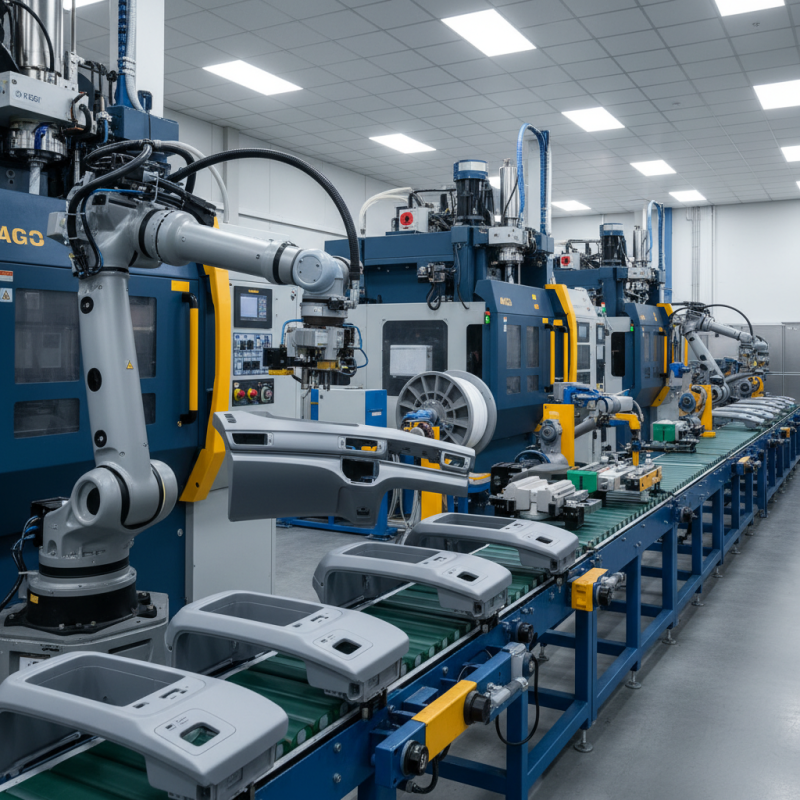
Definition and Overview of Automotive Injection Molding
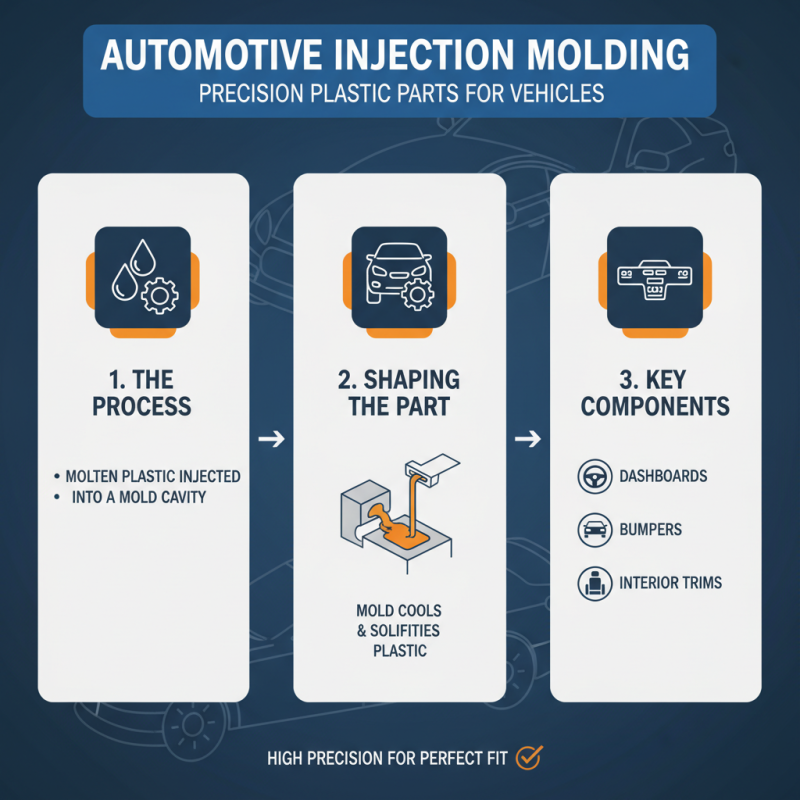
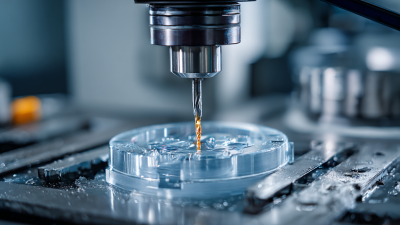
Automotive injection molding is a vital manufacturing process in the automotive industry. This method forms plastic parts by injecting molten material into a mold. The mold shapes the plastic into components like dashboards, bumpers, and interior trims. This process enables the production of complex shapes with high precision, ensuring a perfect fit for vehicle design.
The technology relies on several key factors. First, the type of plastic used is crucial. Different plastics offer various benefits, such as durability and lightweight properties. Temperature control during the injection process can also influence the final product's strength and finish. Experienced engineers design the molds to withstand high pressures and repeated use, which is critical for mass production.
Despite its efficiency, automotive injection molding presents challenges. Molds can be expensive to create, especially for intricate designs. This cost may lead manufacturers to hesitate before making significant investments. Quality control is essential throughout the production process. Defects can arise from temperature fluctuations or improper material mixing. Addressing these issues requires constant monitoring and adjustments.
Key Components of the Injection Molding Process in Automotive Manufacturing
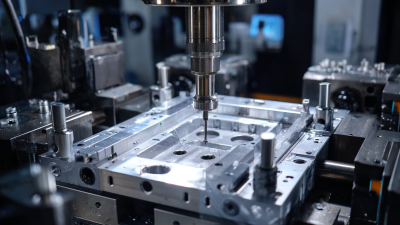
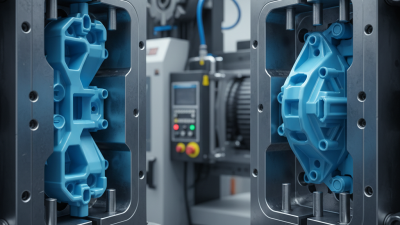
Automotive injection molding is a crucial process in modern vehicle manufacturing. It involves creating components by injecting molten materials into a mold. This technique allows for the efficient production of complex shapes with high precision. The main components of this process include the injection unit, the mold, and the clamping unit. Each element plays a vital role in achieving quality output.
The injection unit melts the raw materials, often thermoplastics, and injects them into a precisely designed mold. The mold is typically made of steel or aluminum, allowing it to withstand high pressures. Clamping units hold the mold together during injection, ensuring that there are no leaks. This setup allows for intricate designs, perfect for automotive applications where weight and space are critical.
**Tip:** Always consider the material choice. Different materials can impact the strength, weight, and cost of the part.
While the process is efficient, it does require careful monitoring. Small errors in temperature or pressure can lead to defects. Common issues include poor filling or uneven cooling. These can compromise the integrity of the part.
**Tip:** Regularly maintain and calibrate equipment. This practice ensures precise molding and minimizes the chance of defects.
Automotive Injection Molding Process Components
Step-by-Step Process of Automotive Injection Molding
Automotive injection molding is a crucial process in car manufacturing. It involves shaping molten plastic into specific forms, which then solidify into car parts. This method is efficient. It allows for the mass production of components with high precision.
The step-by-step process begins with preparing the mold, typically made from metal, which is designed to the exact specifications of the part. The plastic pellets are then heated until they melt. This molten plastic is injected into the mold under high pressure. After cooling, the mold is opened, and the finished part is ejected.
Quality control is vital throughout. Each part must meet strict standards. Sometimes, there may be defects like air bubbles or warping. Analyzing these issues is essential for improving future productions. Understanding the nuances of this process can lead to better designs and enhanced performance. This industry continuously evolves, incorporating new techniques and materials, which can lead to both failures and successes.
Types of Materials Used in Automotive Injection Molding
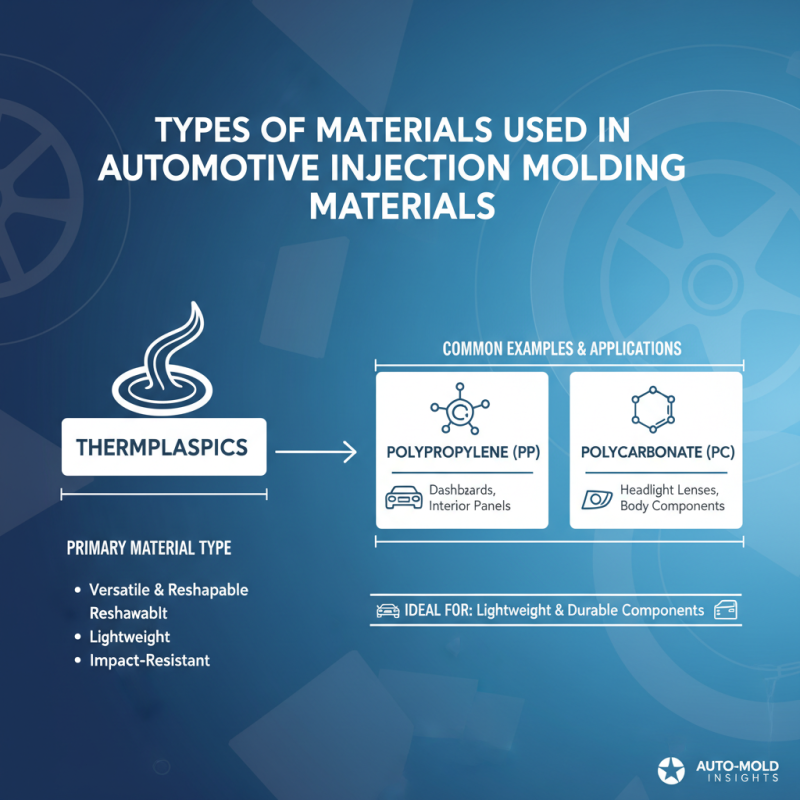
Automotive injection molding involves several types of materials designed for specific applications. A key material is thermoplastics, which are versatile and can be easily reshaped. Common thermoplastics in the automotive industry include polypropylene and polycarbonate. These materials are lightweight and resistant to impact, making them ideal for components like dashboards and panels.
Another important category is thermosetting plastics. Unlike thermoplastics, these materials harden permanently after being molded. They are often used in high-temperature applications. Examples include epoxy and polyester resins. These materials provide strength and durability, making them suitable for engine covers and electrical housings.
Elastomers also play a crucial role. They offer flexibility and resilience, which is vital for seals and gaskets. While injection molding can produce high-quality parts, sometimes the molds wear down. This can lead to inconsistencies in production. Selecting the right material can mitigate these issues, but quality control remains essential for reliable components.
Advantages and Applications of Injection Molding in the Automotive Industry
Injection molding is a crucial technology in the automotive industry. It offers several advantages that enhance vehicle production efficiency. According to a report by the Automotive Industry Action Group (AIAG), about 70% of plastic components in vehicles are manufactured using injection molding. This method allows for complex shapes and intricate designs that would be difficult to achieve with traditional machining methods.
One major advantage is material efficiency. Injection molding minimizes waste compared to other manufacturing techniques. Only the required amount of material is used, which can lead to cost savings for manufacturers. Additionally, this process can produce parts in large volumes quickly. For instance, a single mold can create thousands of identical components in a short time, making mass production feasible.
The applications of injection molding in the automotive sector are vast. It is commonly utilized for producing dashboard panels, lighting housings, and various interior parts. However, the method is not without its challenges. Tooling costs can be high, and design changes during production can be costly and time-consuming. Balancing efficiency and flexibility remains a key concern for manufacturers aiming to innovate in this rapidly evolving industry.
What is Automotive Injection Molding and How It Works? - Advantages and Applications of Injection Molding in the Automotive Industry
| Dimension |
Description |
| Material Used |
Thermoplastics, Thermosetting plastics |
| Typical Cycle Time |
20 to 60 seconds per part |
| Common Applications |
Dashboard components, bumpers, wheel covers, and interior trims |
| Advantages |
High production efficiency, precision, reduced waste, and design flexibility |
| Environmental Impact |
Recycling potential for thermoplastics, less material waste |
| Cost Factors |
Mold design, material choices, production volume |