What Is a Substation With Transformer Used For?

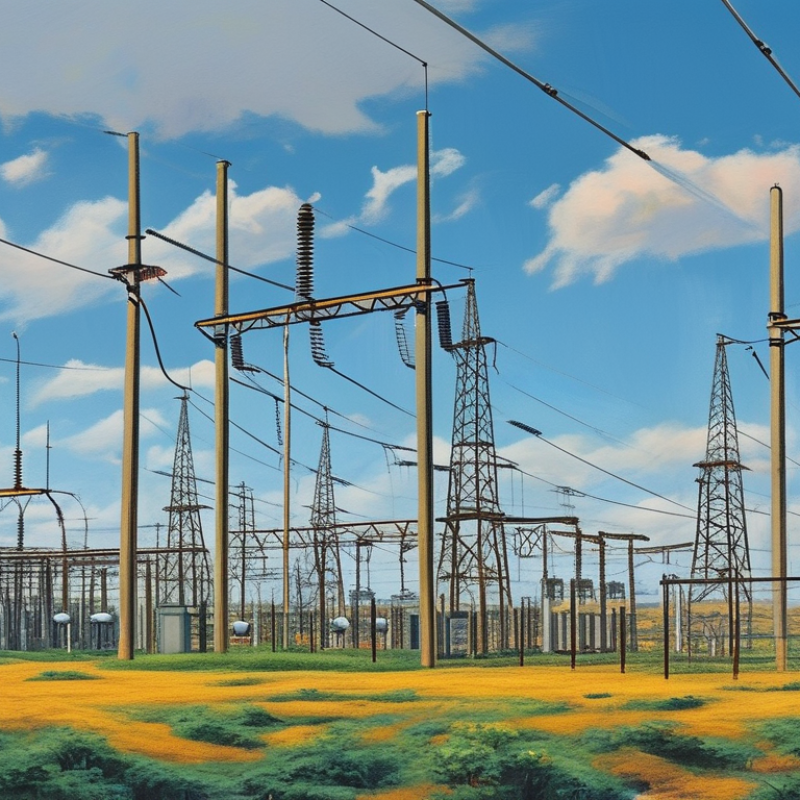
What Is a Substation With Transformer Used For? This question reaches beyond a simple definition. A Substation With Transformer receives electrical power, changes its voltage, and directs it toward homes, factories, rail systems, or commercial buildings. The transformer may reduce transmission voltage for local distribution. It may also raise voltage for efficient movement across a network. Inside the yard, busbars, circuit breakers, relays, and cooling systems work together. A failure in one small component can interrupt thousands of customers.

Dr. J. Duncan Glover, a respected power-systems professor and textbook author, explains, “The transformer provides the link between different voltage levels in an electric power system.” That principle remains central today. It can be seen in practical details: oil temperature gauges, porcelain bushings, grounding grids, and audible cooling fans. These features are not decorative. They support insulation, fault control, and dependable operation.

Yet the picture is not perfect. Voltage conversion alone does not make a substation reliable. Engineers must study load growth, short-circuit current, lightning exposure, maintenance access, and environmental conditions. A well-designed installation follows applicable IEC or IEEE practices and includes carefully tested protection systems. Real substations are often noisy, fenced, and visually plain. Their value appears quietly, when stable power reaches a hospital room or a production line.

This guide examines how a Substation With Transformer works, why each major component matters, and where design assumptions can fail. Some explanations may seem simple. The equipment is not.
What Is a Substation With Transformer Used For?

Definition and Core Function of a Transformer Substation

A transformer substation is a controlled electrical facility that changes voltage between different parts of the power network. Its central equipment is the power transformer. Through electromagnetic induction, the transformer raises or lowers alternating voltage without changing the electricity’s frequency. Step-down substations commonly reduce transmission voltage for regional feeders and local distribution lines. Step-up substations perform the opposite task near generating stations.

The core function is controlled energy transfer. High voltage allows electricity to travel long distances with lower current and reduced line losses. Near homes, factories, and commercial buildings, the substation lowers voltage to safer and more usable levels. The transformer does not work alone. Switchgear, circuit breakers, busbars, relays, meters, cooling systems, and grounding equipment support its operation. Protection relays can disconnect a fault within fractions of a second.

Safety matters every day. Operators check temperature readings, oil levels, unusual vibration, and the transformer’s steady hum. A dry-type transformer may serve an indoor installation, while an oil-immersed unit often supports larger outdoor loads. In practice, the textbook definition feels too neat. Real substations face changing demand, weather, aging insulation, and maintenance delays. Even a small connection problem can create heat, noise, or an unexpected outage. Good inspection records and carefully tested protection settings help keep the system reliable, though no design removes every risk.

How Electrical Power Flows Through a Substation

What Is a Substation With Transformer Used For?

How Electrical Power Flows Through a Substation

A substation with a transformer manages voltage as electricity travels between power plants, transmission lines, and local consumers. High-voltage electricity enters through transmission conductors, often above 100 kilovolts. The transformer reduces that voltage for regional distribution. Another transformer may lower it again for homes, offices, or factories. This staged process limits current and reduces energy losses across long distances. The IEA’s Electricity 2024 report projects global electricity demand will grow by about 4% annually through 2026.

Power flow is carefully controlled inside the yard. Disconnect switches isolate equipment, while circuit breakers interrupt faults within milliseconds. Current transformers and voltage transformers feed measurements to protection relays. If a fault occurs, the relay signals a breaker to open. The electricity then follows another route, if one is available. It is not simply a box that changes voltage.

A practical example helps. A 115-kilovolt line may enter a substation, pass through a breaker, and reach a transformer. The transformer can reduce the voltage to 13.8 kilovolts for local feeders. Distribution equipment then supplies lower service voltages to buildings. Cooling systems, bushings, grounding grids, and surge arresters support safe operation. Small failures still matter. A damaged bushing can stop an entire transformer.

The IEA’s Electricity Grids and Secure Energy Transitions report estimates that over 80 million kilometers of grids must be added or refurbished worldwide by 2040. That figure exposes a difficult reality: reliable substations require constant inspection, not occasional attention. Some diagrams look perfect. Field conditions rarely do.

What Is a Substation With Transformer Used For?

A substation uses transformers and switching equipment to change voltage levels, control power flow, and safely deliver electricity from high-voltage transmission networks to local distribution systems.

Illustrative voltage path based on commonly used power-system voltage levels. Actual values vary by grid design and location.

Key Equipment Inside a Transformer Substation

What Is a Substation With Transformer Used For?

A transformer substation changes electrical voltage for safer, more efficient power transmission and distribution. High-voltage electricity enters the site and passes through controlled switching equipment. The transformer then raises or lowers voltage to match the next network section. This process reduces transmission losses and supports reliable power delivery to factories, offices, and homes.

Key Equipment

Key equipment inside a transformer substation includes the power transformer, circuit breakers, disconnectors, and busbars. The transformer may use oil or air for insulation and cooling. Circuit breakers interrupt fault current within milliseconds. Disconnectors provide visible isolation during maintenance, but they should not open heavy fault currents.

Current transformers and voltage transformers send measured signals to protection relays and control panels. Surge arresters limit damage from lightning and switching surges. Grounding grids guide dangerous fault energy safely into the earth. Cable trenches, cooling fans, fire protection, and oil containment systems also matter. They are easy to overlook.

Tips

Keep inspection records specific. Note unusual sounds, oil leaks, hot connections, and alarm changes. Thermal imaging can reveal loose joints before failure occurs. Do not rely on one reading. Weather, load, and measurement position can affect results. Maintenance plans should follow local electrical codes and the equipment manufacturer’s technical limits. In practice, labels may be unclear, especially after modifications. That deserves correction, not guesswork.

Voltage Transformation and Grid Distribution Processes

What Is a Substation With Transformer Used For?

Voltage Transformation and Grid Distribution Processes

A substation with a transformer changes electrical voltage for different stages of grid operation. Near a power plant, transformers usually increase voltage for long-distance transmission. Higher voltage allows electricity to travel with lower current and reduced line losses. This improves efficiency across many kilometers of overhead or underground cables.

Closer to towns and industrial areas, another transformer reduces voltage to safer distribution levels. Switchgear then directs power toward several feeders. Protective relays detect faults and help isolate damaged sections quickly. Metering equipment records electrical flow, while grounding systems provide a controlled path for fault currents. These parts work together, but they do not remove every risk.

During routine inspections, technicians may listen for unusual humming, check oil temperature, and examine bushings for cracks or contamination. Small changes can reveal developing problems. A transformer may look quiet from outside, yet internal heat can shorten its service life. That is easy to underestimate. Engineers also consider load growth, weather exposure, maintenance access, and backup capacity when designing a substation. In practice, no arrangement is perfect. A compact site may save land but limit future expansion. A larger installation may offer flexibility but require more construction and protection equipment. Reliable distribution depends on balancing these practical limits with stable voltage control.

Common Applications and Safety Considerations

What Is a Substation With Transformer Used For?

A substation with a transformer changes electrical voltage for safer, more efficient distribution. High-voltage power enters the substation and passes through switching and protection equipment. The transformer then reduces voltage for factories, offices, hospitals, and residential neighborhoods. Some substations increase voltage before transmission over long distances.

These systems support many practical applications. Industrial sites use them for motors, furnaces, pumps, and automated production lines. Commercial buildings depend on them for lighting, elevators, cooling systems, and emergency equipment. Renewable energy projects also use substations to connect solar or wind generation to the wider grid. During site inspections, technicians often check cable temperature, unusual vibration, oil leaks, and damaged warning signs. Small changes can reveal larger electrical problems.

Safety requires controlled access and careful planning. Only qualified personnel should operate or maintain energized equipment. Workers need appropriate protective clothing, insulated tools, voltage testing, and arc-flash procedures. The circuit must be isolated, locked out, and confirmed de-energized before work begins. Grounding matters, especially after storms or equipment faults. A safe clearance around the transformer also limits fire and contact risks.

Never rush this work.

Ventilation is important for enclosed substations. Heat, dust, and moisture can shorten equipment life. Routine inspections help, but they are not perfect. A checklist may miss a loose connection hidden behind a panel. Independent testing and honest reporting remain essential, even when the equipment appears normal.

NEW JERSEY

Location

Union Tool & Mold is a mold making, repair and plastic injection molding company located in central New Jersey.
(973) 763-6611

220 Rutgers St, Maplewood, NJ 07040
ACCREDITED

Certified Company


SOCIAL PROFILE

Let’s Connect

We invite you to engage with us on LinkedIn, where you can stay updated on our latest news, insights, and professional opportunities.