2026 Top Trends in Plastic Injection Mold Making Industry?
The plastic injection mold making industry is at a pivotal moment. As technology advances, new trends emerge. These changes impact various aspects of the production process. Businesses are eager to adapt to stay competitive.
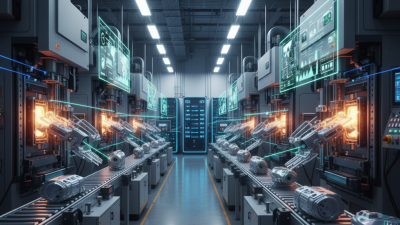
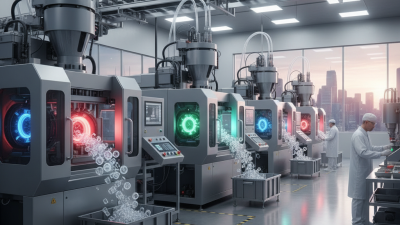
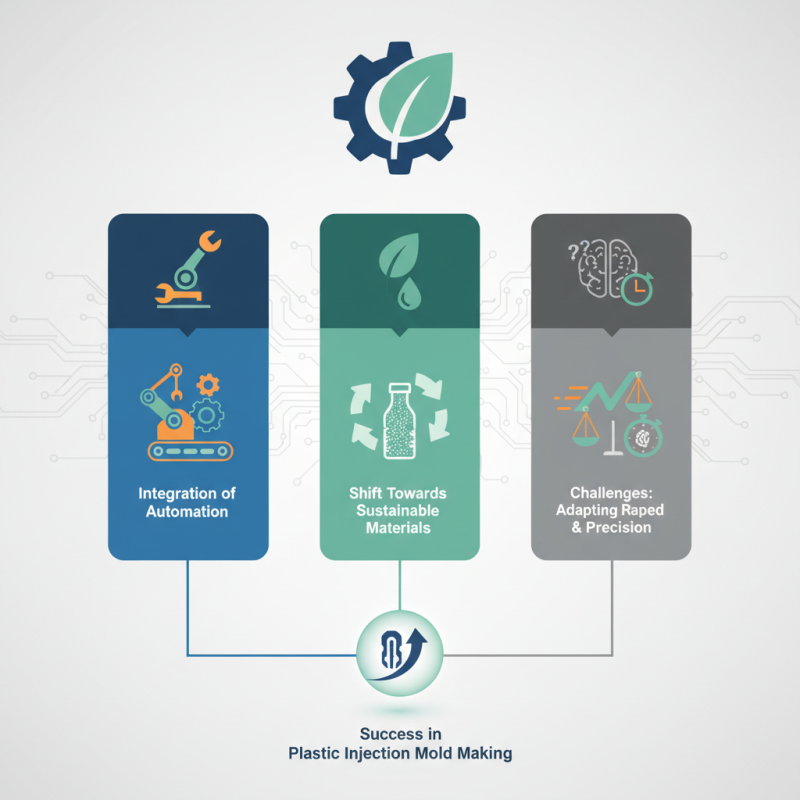
One key trend is the integration of automation. Automated systems enhance efficiency and reduce labor costs. However, the learning curve can be steep. Companies must invest in training to harness this potential fully. Another notable trend is the shift towards sustainable materials. Demand for eco-friendly products rises. This creates challenges in sourcing and adapting existing processes.
The industry must also reflect on challenges. Adapting to rapid technological changes can be overwhelming. It requires continuous investment and innovation. Moreover, the fast-paced market often pressures manufacturers to compromise on quality. Balancing speed and precision is crucial yet difficult. In this dynamic landscape, staying informed and agile becomes essential for success in plastic injection mold making.
2026 Plastic Injection Mold Making Industry Market Growth Projections
The plastic injection mold making industry is poised for significant growth in 2026. Analysts project that the demand for innovative and efficient manufacturing solutions will drive this expansion. The increasing need for precision components across various sectors is a clear indicator of this trend. However, the industry may face challenges in meeting the evolving requirements of clients.
Investment in advanced technology will be crucial. Many companies are exploring automation to improve production efficiency. Additionally, the integration of smart manufacturing practices is gaining traction. But not all businesses are ready to adapt. Some still rely on outdated methods, risking their competitive edge.
Sustainability is also becoming a focal point. The demand for eco-friendly materials is rising. Companies that fail to embrace this shift may lag behind. They need to rethink their processes and materials. Overall, the industry's growth will depend on how well stakeholders respond to these changing dynamics.
Emerging Technologies: 3D Printing Integration in Mold Design and Production
The integration of 3D printing in mold design and production is transforming the plastic injection mold making industry. This technology allows for rapid prototyping and customization. Designers can quickly generate complex geometries, which were previously difficult or impossible to achieve. This capabilities boosts creativity and efficiency.
However, there are challenges. The resolution and material properties of 3D printed molds can be inconsistent. Some molds may wear quickly under high-pressure conditions. Designers must consider these factors during the design phase. Stronger materials are needed to ensure longevity and performance.
This emerging trend encourages collaboration between traditional methods and advanced technologies. The need for skilled professionals remains crucial. Training may lag behind technology, creating a skill gap. Continuous learning is essential. Companies must adapt to keep up with these advancements while addressing potential shortcomings in 3D printing.
Sustainability Trends: Eco-Friendly Materials and Processes in Injection Molding
The injection molding industry is slowly shifting towards more sustainable practices. Manufacturers are exploring eco-friendly materials to reduce the environmental impact of plastic waste. Biodegradable polymers are gaining traction. They break down more easily and have a lower carbon footprint.
Processes are also evolving. Some companies are investing in energy-efficient machinery. This not only conserves energy but also lowers production costs. However, these changes often involve high initial investments, which can be a barrier for small manufacturers. Training employees in new methods is another challenge, as it requires time and resources.
Moreover, recycled materials are becoming popular. Using recycled plastics can significantly decrease waste. Still, the quality sometimes falls short compared to virgin materials. This inconsistency can lead to compromise on product performance. The road to sustainability in injection molding is fraught with hurdles, but the potential benefits are immense. Balancing eco-friendliness with quality remains a key concern for the industry.
Workforce Development: Skills and Training Needs in Mold Making Automation
In the mold making industry, workforce development plays a critical role, especially with the rise of automation. Recent reports suggest that nearly 70% of companies face skills gaps in this area. Advanced automation requires employees to understand new technologies and processes. Yet, many workers lack training in these critical skills.
Training programs must evolve to meet these needs. Traditional methods often fall short. A survey indicated that 56% of employers prefer hands-on training, rather than classroom-based learning. This hands-on approach can bridge the gap, enhancing practical skills while boosting confidence in automated environments.
Moreover, the demand for skilled labor is growing. The U.S. Bureau of Labor Statistics forecasts a 10% increase in job openings for mold makers by 2026. Companies are struggling to find qualified candidates. To address this, partnerships with community colleges and technical schools are essential. Tailored training will ensure that workers are prepared for the future of mold making. While challenges exist, addressing skills shortages through effective training is vital for the industry's advancement.
2026 Top Trends in Plastic Injection Mold Making Industry
Global Supply Chain Challenges and Innovations in Injection Mold Manufacturing
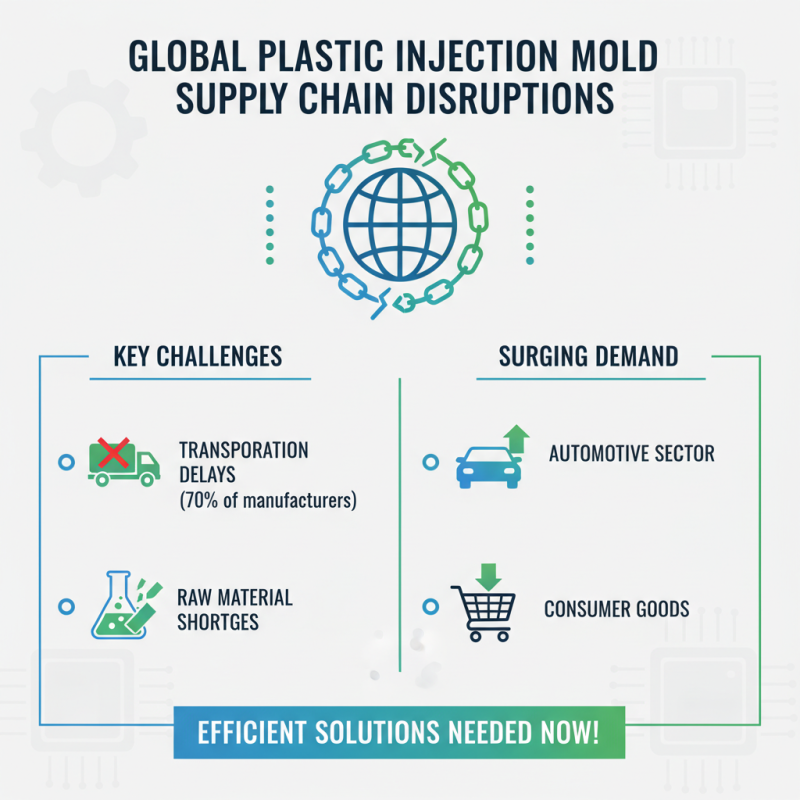
The plastic injection mold making industry is facing significant global supply chain challenges. According to a report from the International Trade Administration, nearly 70% of manufacturers reported disruptions in their supply chains due to various factors, including transportation delays and raw material shortages. These issues have become evident as demand for plastics has surged, particularly in automotive and consumer goods sectors. The need for efficient solutions has never been more crucial.
Innovations are emerging in response to these challenges. For instance, additive manufacturing is gaining traction. This technology can reduce lead times for mold production, offering a faster alternative. A recent study highlighted that companies adopting additive methods could decrease mold development time by up to 50%. However, this transition isn’t without its hurdles. Many firms still grapple with integrating new technologies into existing workflows, causing delays in implementation.
Sustainability also plays a vital role in current trends. The push for eco-friendly materials and processes is reshaping mold manufacturing. As reported by the Association of Plastic Recyclers, recycled plastics use is projected to increase by 30% by 2026. Balancing innovation with sustainability remains a challenge. Manufacturers must rethink their strategies to meet both eco-conscious consumer demands and production efficiency.