Injection mold making sits behind countless everyday products, from appliance housings to medical-device components. Yet a mold is more than a block of steel. Cooling channels, gate locations, surface finish, and maintenance access can all affect cycle time and part quality. Small design choices matter.
Grand View Research estimated the global injection molded plastics market at USD 330.8 billion in 2023 and projected a 4.8% compound annual growth rate from 2024 through 2030. That figure describes molded plastics, not mold-making revenue. The distinction is easy to miss. Still, it signals the scale of demand that skilled tooling suppliers help serve. The report is useful context, not proof that every mold maker will grow at the same pace.
This overview of the top 10 injection mold making companies considers practical factors: engineering support, mold complexity, production capacity, quality systems, and experience across industries. A supplier’s capabilities can vary by facility, project size, and material requirements. A polished website alone proves little. Ask how the company handles design changes, tool trials, and spare parts. Those details reveal more. No ranking can replace a project-specific review, and published company information may not capture every operational limitation. The goal is to help buyers compare established providers with clearer expectations—and recognize where further verification is needed.
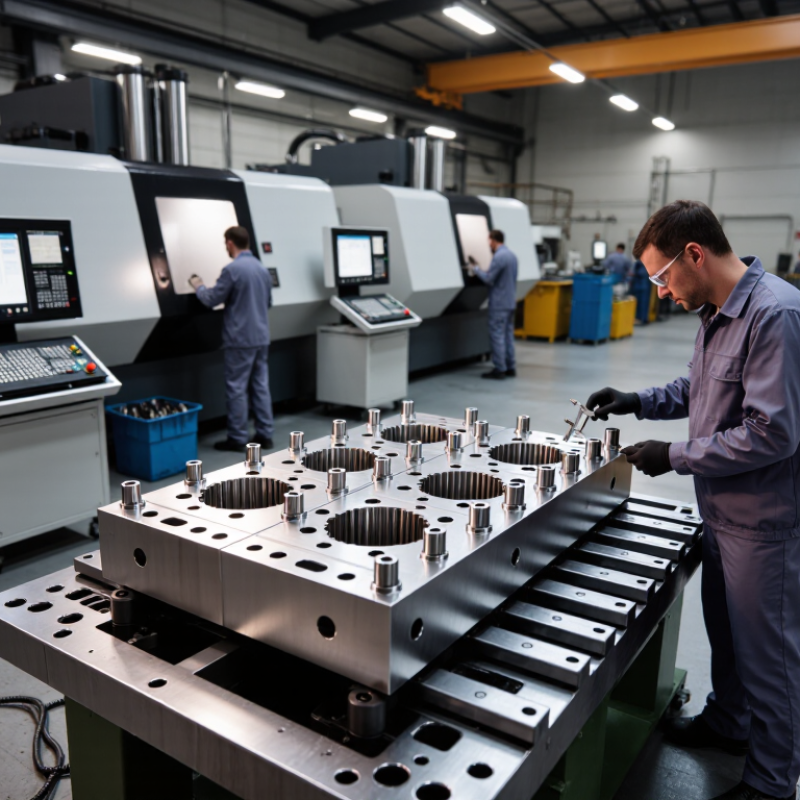
Injection mold making companies turn product designs into durable tools that shape plastic parts repeatedly. Their engineers review CAD files, wall thickness, draft angles, and likely production volumes. They may suggest small design changes before cutting steel. A misplaced gate can leave a visible mark or create uneven filling. Details matter.
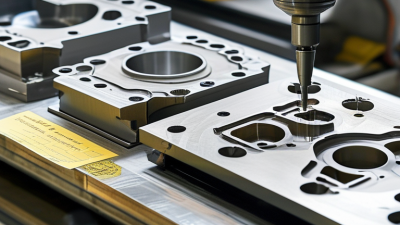
Toolmaking typically includes mold design, machining, electrical-discharge machining, polishing, assembly, and trial runs. During sampling, technicians adjust temperature, pressure, cooling, and cycle time, then inspect the parts for defects. Some suppliers also maintain molds and support production troubleshooting. Grand View Research estimated the global injection-molded plastics market at USD 284.8 billion in 2023, underscoring the scale of demand these tools serve. Still, a large market does not guarantee consistent quality from every supplier. A good-looking first sample may hide uneven cooling or later wear.
Tips: Ask for a documented sampling plan, material details, and inspection results. Share expected volumes and tolerances early. Request clear mold-maintenance terms, too. One overlooked point: the cheapest tool may cost more if repairs interrupt production.
The global injection molding market reached an estimated USD 284.4 billion in 2023, according to Grand View Research’s Injection Molding Market report. That scale raises the stakes for mold quality, but market size alone proves little. A credible comparison looks at measurable performance, not polished sales claims.
Review engineering depth through mold-flow analysis, cooling-channel design, steel documentation, and clear design-change records. Ask for trial data showing cavity balance, cycle time, dimensional variation, and corrective actions. Plastics Europe’s Plastics—The Fast Facts 2024 reports 413.8 million tonnes of global plastics production in 2023. This is useful demand context, not proof that any shop can meet a specific tolerance. The part and its process still matter.
Compare quoted lead times with documented delivery performance, and check how suppliers handle maintenance, spare inserts, and production problems. Request references for similar part geometry and resin, then verify claims during a technical review or site visit. A low unit price can conceal costly rework. Even tidy records may not reflect a difficult production shift, so evaluation should include people, machines, and real trial results. No scorecard captures everything.
Profiles of ten leading injection mold makers should compare more than machine size. Grand View Research valued the global injection-molded plastics market at USD 284.7 billion in 2023, forecasting 4.2% annual growth through 2030. That demand makes tooling accuracy, stable production, and clear communication commercially important. Details matter.
The profiles can distinguish ten capability types: automotive production, medical components, packaging, electronics, two-shot molding, micro-precision parts, large components, rapid tooling, export-focused production, and integrated design support. Each profile should explain its specialty, typical mold complexity, and quality controls. For example, a precision shop may monitor cavity dimensions closely, while a high-volume supplier may track cycle time and scrap rates. Not every strength transfers to every project.
Compare evidence, not polished claims. Ask how each maker handles design changes, mold trials, maintenance, and production handoffs. A shop with documented inspection routines may be a safer fit than one offering only a low quotation. Still, a capability sheet cannot reveal every weakness. A delayed engineering response or unclear revision process can disrupt a sound project. These profiles are useful starting points, not a substitute for checking samples, audit records, and communication firsthand.
A comparison of ten injection mold-making companies should look beyond price and production volume. Their capabilities differ in mold complexity, material expertise, tolerances, and production support. Some handle rapid prototypes and short runs, while others build multi-cavity tools for sustained, high-volume output. A polished sample matters, but so do mold-flow analysis, cooling-channel design, and documented inspection results. Small details count.
Industry fit changes the comparison. Medical device projects often need traceable processes and consistent dimensions; automotive programs may prioritize durability and repeatable production. Electronics manufacturers commonly seek fine features and tight fit, while packaging producers need fast cycles and reliable output. Ask each supplier for examples involving similar part sizes, resins, and annual volumes. A company skilled in large structural parts may not be the best match for a tiny, thin-walled enclosure.
Compare communication and maintenance support, too. Who reviews draft angles? Who responds when a cavity wears or a part sticks? These questions reveal practical experience better than a broad capability list. No ranking is perfect: published figures can hide differences in tooling scope, measurement methods, or service location. That caveat is easy to miss. A careful buyer should verify claims with drawings, sample parts, and a clear inspection plan before choosing a supplier.
Start with the part, not the sales pitch. Share its material, annual volume, appearance requirements, and expected service life. Ask how the team reviews draft angles, wall thickness, gate location, and likely warpage before cutting steel. That discussion can reveal practical experience. Request a tooling plan that specifies steel grade, cavity count, target cycle time, trial stages, and acceptance criteria. Details matter. Compare quotes by scope, not price alone; a low figure may exclude sampling, modifications, or maintenance.
Tips: Ask for a recent, comparable project and a sample trial report. Confirm who handles design changes and how quickly they respond. A first trial may still expose defects, even with careful preparation. That is normal. Look for a clear process for measuring parts, documenting issues, and approving corrections before production.
Check whether the company can support the mold after delivery. Ask about spare components, preventive maintenance, and expected replacement intervals for wear items. Discuss communication too: regular updates, named technical contacts, and written decisions reduce avoidable surprises. If timelines, tolerances, or responsibilities remain vague, pause and clarify them. A capable partner should explain trade-offs plainly, including what the design cannot guarantee.
A practical, anonymized comparison of ten supplier-selection criteria. Use these factors to assess mold makers against your part, production volume, and project requirements.
| No. | Evaluation Dimension | What to Look For | Evidence or Questions to Request | Why It Matters |
|---|---|---|---|---|
| 1 | Design for Manufacturability (DFM) | Review of wall thickness, draft, ribs, undercuts, parting lines, gate locations, and ejection options before mold construction. | Request a documented DFM review and confirmation of how proposed changes affect part function and tooling cost. | Early design reviews can identify molding and tooling risks before they become expensive changes. |
| 2 | Relevant Mold Experience | Experience with comparable part geometry, resin families, surface finishes, and mold complexity. | Ask for anonymized examples, process descriptions, and references relevant to your application. | Experience with similar technical challenges is more useful than a general claim of broad capability. |
| 3 | Tool Design and Documentation | Clear mold layouts, cooling and ejection plans, component specifications, and revision-controlled drawings. | Confirm which design files and mold documentation will be delivered, in what formats, and at what project stages. | Complete documentation supports troubleshooting, maintenance, and future production changes. |
| 4 | Manufacturing Equipment and Processes | Suitable CNC machining, EDM, grinding, polishing, and fitting capabilities for the required mold features and tolerances. | Ask which operations are performed in-house, which are outsourced, and how subcontracted work is controlled. | Process capability and coordination affect tool quality, lead time, and accountability. |
| 5 | Material Selection and Traceability | Mold steel or aluminum selected for expected production volume, resin behavior, corrosion exposure, and maintenance needs. | Request material specifications and, where required, certificates or records that link materials to the mold components. | Tool material should match the application; no single material is appropriate for every mold. |
| 6 | Quality Management and Inspection | Defined inspection plans, calibrated measurement equipment, dimensional records, and controlled handling of nonconformities. | Ask for sample inspection reports and clarify how critical dimensions and revisions are tracked. ISO 9001 certification may be relevant to your supplier requirements. | Consistent inspection helps establish whether the mold and molded parts meet agreed specifications. |
| 7 | Sampling and Validation | A planned mold trial, documented process conditions, sample evaluation, and a clear method for addressing findings. | Confirm what is included in each trial, who supplies resin, how samples are measured, and how approval is recorded. | Trials reveal how the tool performs under molding conditions and help identify corrections before production release. |
| 8 | Project Schedule and Communication | A milestone-based schedule covering design approval, machining, assembly, trials, corrections, and delivery. | Request named project contacts, update frequency, escalation steps, and written notice of schedule changes. | Clear milestones make delays and decisions visible while there is still time to manage them. |
| 9 | Maintenance and After-Sales Support | Access to spare parts, mold maintenance guidance, repair support, and agreed procedures for warranty issues. | Ask what maintenance records are supplied, how urgent repairs are handled, and what support is included after delivery. | Routine maintenance and timely repairs help protect tool condition and production continuity. |
| 10 | Total Cost and Commercial Clarity | A written quotation that distinguishes tooling, sampling, modifications, shipping, taxes, and any recurring production costs. | Confirm payment milestones, mold ownership, storage terms, change-order approval, and the scope of included corrections. | A comparable, clearly scoped quotation reduces the risk of unexpected costs and ownership disputes. |
Note: This table is a supplier-selection guide, not a ranked list or a set of company-specific performance claims. Requirements, tolerances, lead times, and costs depend on the part design, material, tooling scope, and production plan.