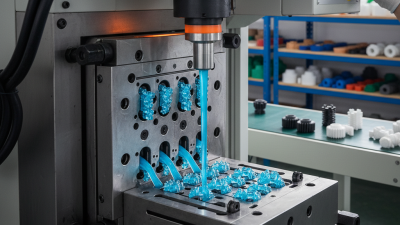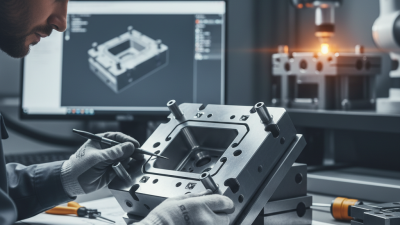
In the realm of plastic injection mold design, success hinges on a blend of expertise and practical insights. Industry expert John Smith states, “The key to effective mold design is understanding both the material and the process.” His words resonate in a field where precision is paramount.
Designing molds is not merely a technical task; it requires a deep comprehension of the interplay between materials and production techniques. A well-thought-out design can drastically reduce production costs and enhance the end product's quality. However, common pitfalls exist. Designers often overlook cooling channel placement, leading to uneven part cooling or warping.
Reflection on past mistakes can drive improvement. For instance, a mold design may fail if the designer neglects draft angles or tolerances. Recognizing these factors is crucial for a successful outcome. The journey of mastering plastic injection mold design is ongoing, with continuous learning and adaptation being vital for success.
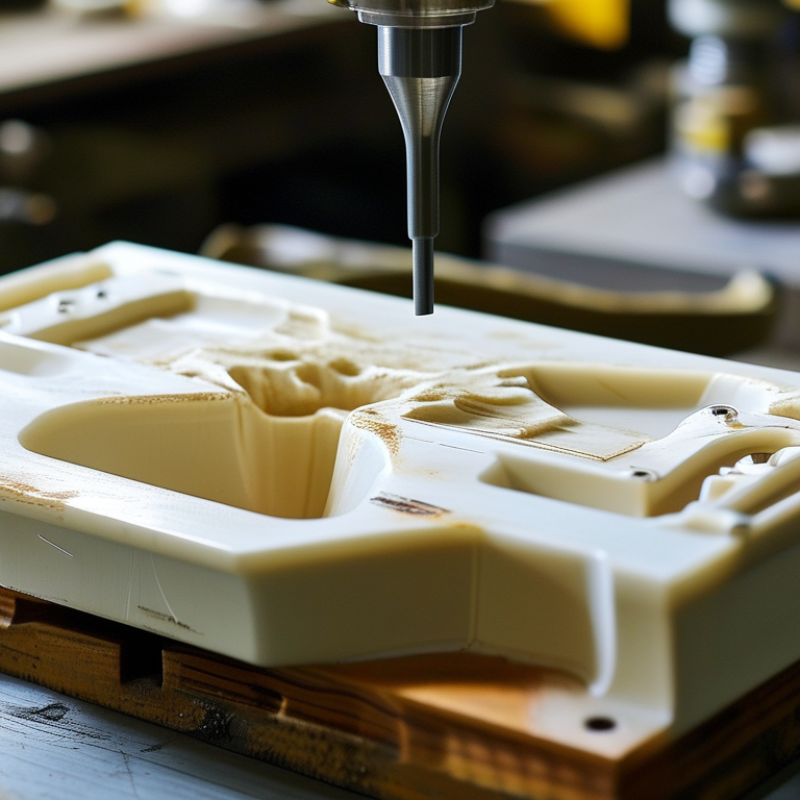
Plastic injection mold design is fundamental for producing high-quality parts. Understanding the basic principles can significantly impact outcomes. Mold design affects cycle times, production costs, and ultimately product quality. According to industry reports, a well-designed mold can reduce cycle time by up to 30%. This efficiency translates into fewer production issues and higher profitability.
Clarity in part geometry is vital. Complex designs may lead to challenges in molding processes. It’s essential to ensure draft angles are correct and there are no undercuts. Furthermore, the selection of materials impacts the mold's longevity and performance. A recent study found that using high-quality steel can enhance mold life by 40%. This leads to fewer replacements and operational disruptions.
Designers often face dilemmas when balancing features and manufacturability. Features may seem attractive but can create complications. Regular prototyping helps identify potential issues before production. Engaging in design reviews can also uncover weaknesses. A reflective approach to design fosters improvements and ensures success in the competitive landscape of plastic injection molding.
When selecting materials for plastic injection molding, several key considerations come into play. The choice of material can significantly impact production costs and product performance. According to the American Society for Testing and Materials (ASTM), understanding material properties, such as tensile strength and impact resistance, is vital for achieving desired results.
It is essential to consider how different materials respond to the injection molding process. For example, thermoplastics are popular for their versatility and recyclability. However, certain high-performance plastics can withstand harsher conditions but may increase production costs. Analysis from industry reports suggests that choosing the right material can reduce waste by up to 30%, enhancing sustainability.
Effective mold design is also crucial. Precise dimensions and proper venting can prevent defects. Designers should account for material shrinkage, which varies significantly across plastics. Reflecting on past challenges can help improve future designs. Collaborating with material scientists can provide deeper insights into the behavior of materials during molding. Monitoring the production process can help identify areas for improvement, such as reducing cycle time or increasing yield.
Designing for optimal flow and pressure is crucial in plastic injection mold design. A key factor is the gate location. Proper placement ensures material fills the mold uniformly. It minimizes flow differences, which can lead to defects. An experienced designer knows to avoid areas that may trap air. Air traps can cause surface blemishes and weaken the final product.
Another consideration is the runner system. Designing a balanced runner system is essential for consistency. An unbalanced system can lead to incomplete fills, affecting strength. The size and shape of runners should facilitate smooth flow. This reduces the need for excessive pressure, which can cause stress in the part.
Thermal management is also vital. Heat affects viscosity, influencing flow behavior. A well-designed cooling system maintains consistent temperatures. This reduces cycle times and prevents warping. Reflecting on past projects can provide insights into improvements. Recognizing areas for refinement leads to better designs in the future.
Dimensional accuracy is crucial in plastic injection molding. Precision in tolerances can significantly affect the final product's performance. According to a 2022 report by the Society of Plastics Engineers, maintaining a tolerance of ±0.001 inches for critical dimensions can reduce rejection rates by up to 30%. This is vital for components requiring precise fit and function, such as automotive parts and medical devices.
In molding design, it's essential to understand the material behavior under heat and pressure. Different polymers respond uniquely, leading to variations in shrinkage rates. Overlooking these factors can result in dimensional inaccuracies. For instance, materials like ABS can shrink between 0.4% to 0.8%, while PEEK may shrink only 0.2%. Failure to account for these discrepancies can lead to costly rework and delays.
Designers should also consider the impact of manufacturing parameters on part dimensions. Factors like injection speed, cooling time, and gate design can all influence final dimensions. Testing different setups is often necessary. Identifying the ideal combination can be challenging. Regular analysis of production data helps in refining these processes and improving reliability.
Proper maintenance of plastic injection molds is crucial for longevity and performance. Regular cleaning is essential to prevent build-up of materials and contaminants. Dirt can affect the quality of the final product. Use gentle solvents and soft brushes to maintain mold surfaces. Frequent inspections can identify wear and tear early. This proactive approach can save costs in the long run.
Temperature control during operation significantly impacts mold life. Maintaining optimal temperatures helps reduce stress on the mold material. Uneven temperatures can lead to warping or cracking. It’s important to have a reliable cooling system. Monitoring cooling channels can enhance efficiency and extend mold life.
Documenting maintenance procedures can improve consistency. Keeping records helps in tracking performance issues. Reflecting on past problems ensures that lessons learned contribute to better practices. Regular training for staff on maintenance techniques can also enhance expertise and foster a culture of care. A mindful approach to mold maintenance can yield significant long-term benefits.
| Tip Number | Best Practice | Description | Impact |
|---|---|---|---|
| 1 | Understand Material Characteristics | Choose the right plastic material for your product's needs. | Ensures better quality and durability. |
| 2 | Incorporate Draft Angles | Use sufficient draft angles for easy part removal. | Reduces defects and improves efficiency. |
| 3 | Design for Cooling Efficiency | Optimize cooling channels in the mold design. | Shortens cycle times and reduces costs. |
| 4 | Ensure Wall Thickness Consistency | Maintain uniform wall thickness throughout the design. | Prevents warping and ensures consistent quality. |
| 5 | Utilize Slot or Tab Features | Design parts that interlock for better assembly. | Improves strength and alignment. |
| 6 | Conduct Mold Flow Analysis | Analyze how plastic flows in the mold. | Identifies potential issues before production. |
| 7 | Integrate Ejector Pins Appropriately | Plan for proper ejector pin placement. | Facilitates smooth part removal and prevents damage. |
| 8 | Select the Right Mold Material | Choose a mold material based on expected use. | Enhances durability and lifespan of the mold. |
| 9 | Incorporate Venting | Add vents to allow air to escape during filling. | Reduces defects due to trapped air. |
| 10 | Perform Regular Maintenance | Schedule regular cleaning and servicing of molds. | Ensures longevity and consistent performance. |