How to Successfully Master Injection Mold Making Techniques?
Injection mold making is a complex yet rewarding process. As industry expert John Smith once noted, “Precision is key in creating successful molds.” This emphasizes the importance of mastering techniques in injection mold making.
In the digital age, many tools and technologies assist in this craft. However, hands-on experience remains invaluable. Mistakes often teach lessons that books cannot. For instance, a miscalculated temperature can ruin a batch, leading to wasted materials and time. Such challenges push mold makers to refine their skills continuously.
Aspiring mold makers should embrace both successes and failures. Each project presents unique hurdles that require innovative solutions. The ability to analyze and adapt is crucial in the injection mold making industry. With dedication and a willingness to learn, mastery is within reach.
Understanding the Basics of Injection Mold Making Techniques
Injection mold making is a complex process that requires both skill and knowledge. Understanding the fundamental techniques is essential for success. At its core, injection molding involves creating molds into which melted material is injected. This allows for high production rates and precise replication of parts.
The materials used in mold making are crucial. Steel and aluminum are common choices, each with its advantages and drawbacks. Steel molds are durable but heavier and more expensive. Aluminum molds, on the other hand, are easier to work with but may not hold up under high production runs. Each project demands careful consideration of material selection.
Designing the mold is another critical aspect. Every detail counts, from cooling channels to gate locations. A small flaw in the design can lead to defects in the finished product. Many new mold makers underestimate the importance of prototype testing. Such tests reveal unforeseen complications early in the process. These insights, while sometimes disappointing, lead to improvements. Mistakes are opportunities for growth. Embracing this mindset can significantly enhance your mold-making journey.
Essential Tools and Equipment for Injection Mold Making
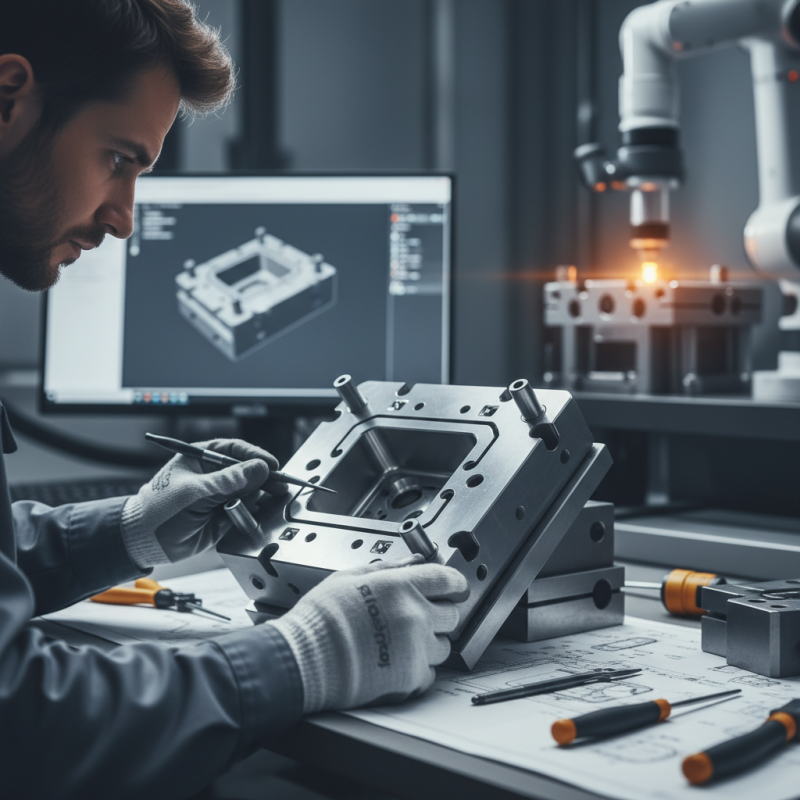
When diving into injection mold making, having the right tools is crucial. A sturdy milling machine is essential for creating precise mold shapes. The accuracy of your designs often depends on this equipment. Additionally, CNC machines enhance the production process. They allow for intricate designs to be made with ease.
Another important tool is the injection molding machine itself. This machine melts plastic pellets and injects them into the mold. It's vital for producing the actual parts. Then there are hand tools like calipers and gauges. These tools ensure that every measurement is exact. Precision is key; minor errors can lead to significant production issues.
Consider safety equipment as well. Gloves and safety glasses are not just optional; they are necessary. Mistakes can happen, and the right gear helps prevent injuries. It’s easy to overlook these essentials. Often, new mold makers focus only on primary machinery. However, neglecting safety can lead to unsafe work conditions. Reflect on your setup and ensure you have all the required tools.
Injection Mold Making Techniques: Essential Tools and Equipment
Step-by-Step Process of Designing an Injection Mold
Designing an injection mold requires a systematic approach. Start by defining the part requirements. Understand functionality, aesthetics, and material constraints. Proper planning is crucial. According to industry reports, about 30% of mold failures occur due to poor design choices.
Once the initial requirements are clear, create a 3D model. Use CAD software to visualize the mold structure. Pay attention to walls and rib thickness. Industry data suggest that optimizing these factors can improve mold longevity by up to 25%.
**Tips:** Validate your design with simulations. They can reveal weaknesses early. Engage with experienced mold makers for insights; their expertise is invaluable.
After the 3D model, focus on designing the cooling system. Efficient cooling can reduce cycle times significantly. Reports indicate that molds with optimized cooling can enhance productivity by 40%.
**Tips:** Test different cooling layouts. Sometimes, what seems efficient isn’t in practice. Be ready to iterate. Not every design will meet expectations on the first try. Be willing to adjust.
How to Successfully Master Injection Mold Making Techniques? - Step-by-Step Process of Designing an Injection Mold
| Step |
Description |
Tools Required |
Estimated Time |
| 1 |
Define Product Specifications |
Requirement Document, CAD Software |
1-2 Days |
| 2 |
Design Mold Structure |
CAD Software |
3-5 Days |
| 3 |
Select Materials |
Material Samples, Data Sheets |
1 Day |
| 4 |
Create Prototype |
CNC Mill, 3D Printer |
2-4 Days |
| 5 |
Test and Iterate |
Testing Equipment |
1-2 Weeks |
| 6 |
Finalize Details |
CAD Software, Documentation Tools |
1-3 Days |
| 7 |
Manufacture Mold |
Injection Molding Machinery |
3-6 Weeks |
| 8 |
Quality Assurance Testing |
QA Equipment, Inspection Tools |
1-2 Weeks |
| 9 |
Production Launch |
Production Tools |
Ongoing |
Common Challenges in Injection Mold Making and Solutions
Injection mold making is a complex process filled with challenges. High rejection rates are common, with some reports indicating that up to 30% of molds produced can fail to meet specifications. This can stem from improper cooling channels or inadequate mold design. These issues can lead to increased production costs and delays in timelines, which strain resources.
Designing molds requires careful attention to detail. One frequent challenge is achieving the desired surface finish. Studies show that surface roughness can increase production time by 20%. Addressing this often requires iterative design reviews and testing. Properly applying engineering simulations can help minimize adjustments. However, these simulations are sometimes underused, leading to unexpected defects later in production.
Another obstacle is material choice. Different plastics behave uniquely under pressure and temperature. A report by an industry body noted that 40% of defects are linked to material selection. Understanding the properties of chosen materials is crucial. Knowledge gaps here can result in significant losses. Continuous training and education can aid teams in making informed decisions. Yet, many still overlook this vital aspect of the process.
Quality Control Measures in Injection Mold Production
Quality control is a crucial aspect of injection mold production. It ensures that the molds meet specific standards and perform effectively. According to recent industry reports, over 30% of production costs can be attributed to quality issues. This emphasizes the necessity of stringent oversight throughout the manufacturing process.
One of the key quality control measures is dimensional accuracy. Molds must be precise to avoid defects in the final product. A deviation of just 0.1 millimeters can lead to significant problems. This often results in wasted materials and time. Regular calibration of machinery is essential in maintaining these standards.
Another important factor is material selection. Using high-quality materials directly influences the mold’s longevity and performance. Poor material choices can lead to premature wear and failure. Industry data suggests that investing in superior materials can reduce defect rates by up to 25%. However, some manufacturers hesitate to spend on these premium raw materials, often regretting the decision later. Quality control, indeed, has a direct impact on productivity and profitability.