What is Plastic Manufacturing and Its Benefits for Buyers?
Plastic manufacturing plays a crucial role in today's economy. Experts agree on its importance. Dr. Jane Thompson, a leading authority in the field, once said, "Effective plastic manufacturing can transform industries by providing innovative solutions." This highlights its potential for buyers.
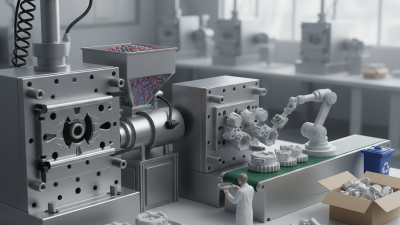
The process of plastic manufacturing involves various techniques. Techniques like injection molding and extrusion help create diverse products. These products range from packaging materials to medical devices. Buyers benefit from customization, efficiency, and cost-effectiveness. However, it's important to recognize the environmental impact of plastic production.
While plastic manufacturing offers many advantages, it is not without challenges. Sustainability remains a pressing concern. Striking a balance between innovation and environmental responsibility is key. By addressing these issues, the industry can evolve. Understanding the complexities of plastic manufacturing allows buyers to make informed choices.
What is Plastic Manufacturing?
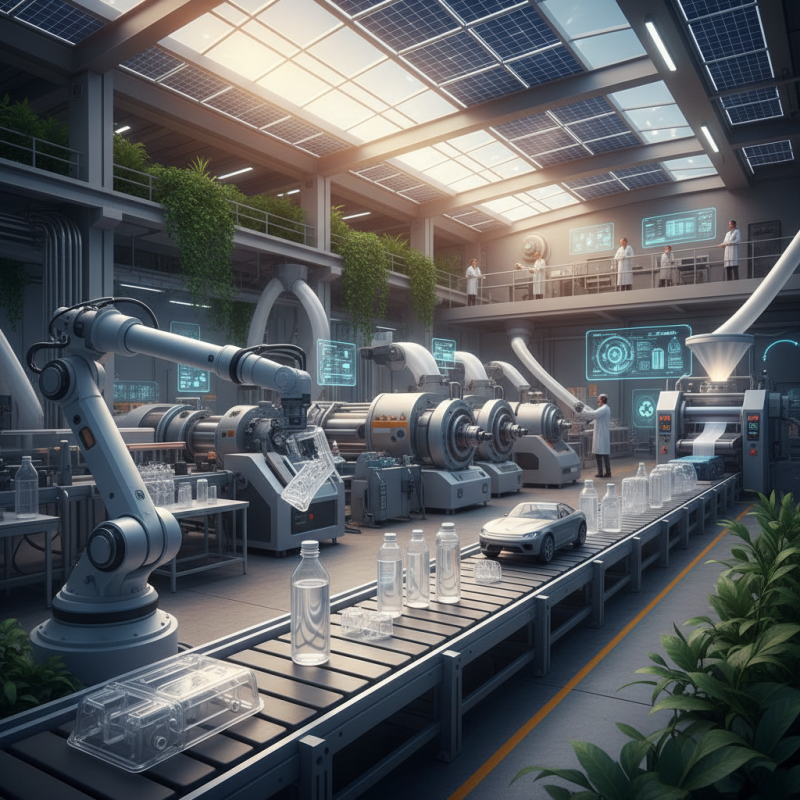
Plastic manufacturing involves the process of creating plastic products from raw materials. This production method encompasses various techniques like injection molding, extrusion, and blow molding. These techniques allow for the creation of items ranging from simple containers to complex automotive parts. The versatility of plastics is one of its most significant benefits, offering numerous applications across different industries.
When engaging in plastic manufacturing, it's essential to consider your specific needs. Factors such as material type, production volume, and desired finish play crucial roles. Understanding these parameters can lead to more informed decisions. Keep in mind that certain plastics may not be suitable for every application. It's vital to assess your requirements carefully.
Tips: Always source materials from reliable suppliers. Quality assurance processes are essential. Regularly review your production methods to ensure efficiency and reduce waste. Collaborating with experienced manufacturers can enhance your product quality. Embrace feedback and be open to refining processes; improvement is a continuous journey in plastic manufacturing.
Key Processes in Plastic Manufacturing
Plastic manufacturing involves several key processes that convert raw materials into finished products. One common method is extrusion. In this process, plastic is melted and forced through a mold to create items like pipes and sheets. The speed of this method allows for high-volume production, but it also risks uneven thickness or structural weaknesses if not monitored closely.
Another important process is injection molding. This technique injects molten plastic into a mold, allowing for intricate designs and precise dimensions. It is widely used for producing parts in various industries, from automotive to consumer goods. However, challenges can arise, such as excessive scrap material and the need for accurate temperature control, which can impact efficiency.
Blow molding is another process used mainly for making hollow plastic products. It involves inflating a heated plastic tube inside a mold, forming items like bottles. While incredibly effective for large quantities, inconsistencies can occur, especially with wall thickness. Each of these methods has its advantages and pitfalls, reflecting the intricate balance of efficiency, quality, and cost in plastic manufacturing.
What is Plastic Manufacturing and Its Benefits for Buyers? - Key Processes in Plastic Manufacturing
| Process |
Description |
Benefits |
| Injection Molding |
A manufacturing process for producing parts by injecting material into a mold. |
High efficiency, minimal waste, and complex geometries. |
| Blow Molding |
A manufacturing process for forming hollow plastic parts. |
Suitable for large-scale production and lightweight products. |
| Extrusion |
A process to create objects of a fixed cross-sectional profile. |
Continuous production with uniform products. |
| Thermoforming |
Heating a plastic sheet until pliable and then molding it. |
Cost-effective for shorter runs and rapid prototyping. |
| Rotational Molding |
A process for creating hollow plastic products by rotation. |
Ability to create large pieces with even wall thickness. |
Benefits of Plastic Products for Consumers
Plastic products are deeply ingrained in our daily lives. They are lightweight, durable, and often cost-effective. These qualities make them appealing for consumers. From packaging to household items, plastics offer immense versatility. Many people appreciate their ease of use in various applications.
Another important aspect is sustainability. Many plastic manufacturers focus on recycling and reducing wastage. This brings additional benefits to consumers, as eco-friendly products gain popularity. However, not all plastics are created equal. Consumers should be mindful of the materials and production processes behind the products they choose.
The aesthetic appeal of plastic cannot be overlooked. It comes in various colors and finishes, making it suitable for different tastes. Yet, this versatility can sometimes mask hidden issues. Choosing the right plastic product requires understanding its impact on health and the environment. A well-informed buyer can make better decisions.
Environmental Considerations in Plastic Manufacturing
The environmental impact of plastic manufacturing is gaining increasing attention. According to the World Economic Forum, around 300 million tons of plastic are produced annually, with only 9% being recycled. This statistic highlights the urgency for sustainable practices in the industry. Adopting eco-friendly materials and processes can significantly reduce carbon footprints.
Many manufacturers are now exploring biodegradable alternatives. These materials help lessen pollution and often use less energy in production. Reports suggest that the shift toward sustainable practices could lead to a 30% reduction in greenhouse gas emissions within a decade. However, the transition to greener methods is not without challenges. Many businesses face high costs in research and development for new materials.
**Tip:** Look for suppliers that prioritize sustainable manufacturing methods. This could mean sourcing recycled materials or utilizing energy-efficient technologies. Small changes can drive big results.
Another consideration is the lifecycle of plastic products. Ensuring that they are designed for reuse or recycling can mitigate long-term environmental damage. The Ellen MacArthur Foundation asserts that redesigning plastics could contribute to an economy that values sustainability and resource recovery. While these advancements are promising, the path to a fully sustainable plastic industry is complex and requires commitment from all stakeholders.
Future Trends in the Plastic Manufacturing Industry
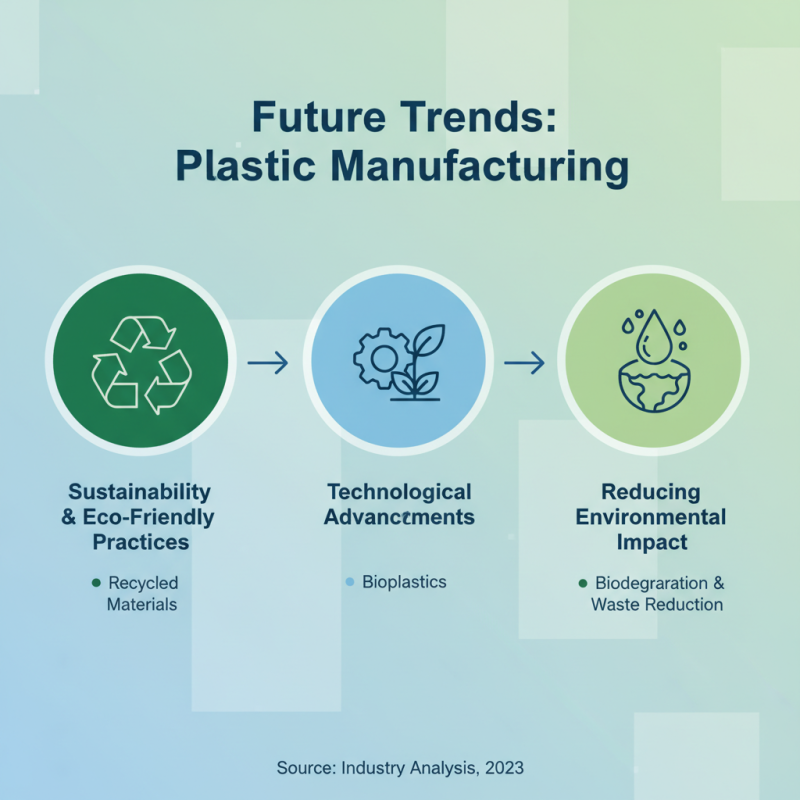
The plastic manufacturing industry is undergoing significant transformation, driven by sustainability and technological advancements. Manufacturers are adopting eco-friendly practices, such as using recycled materials. Innovations like bioplastics are gaining traction, aiming to reduce environmental impact. These materials can biodegrade, addressing concerns over plastic waste.
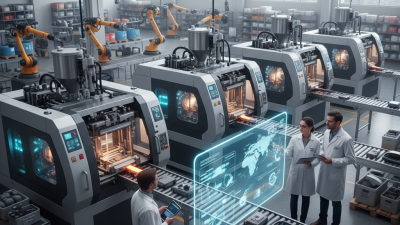
Automation plays a crucial role in modern production. Smart factories utilize AI and IoT for efficiency. Machines analyze data to optimize processes and minimize defects. However, this transition raises questions about job displacement. While automation improves quality, some workers may need retraining.
The push for sustainability leads to increased investment in R&D. New processes aim to decrease energy consumption and emissions. Yet, the challenge remains to balance cost and environmental impact. As technology evolves, the industry must reflect on ethical production methods. The road ahead is promising, but it requires careful consideration of both innovation and responsibility.