How to Optimize Automotive Injection Molding for Efficiency?
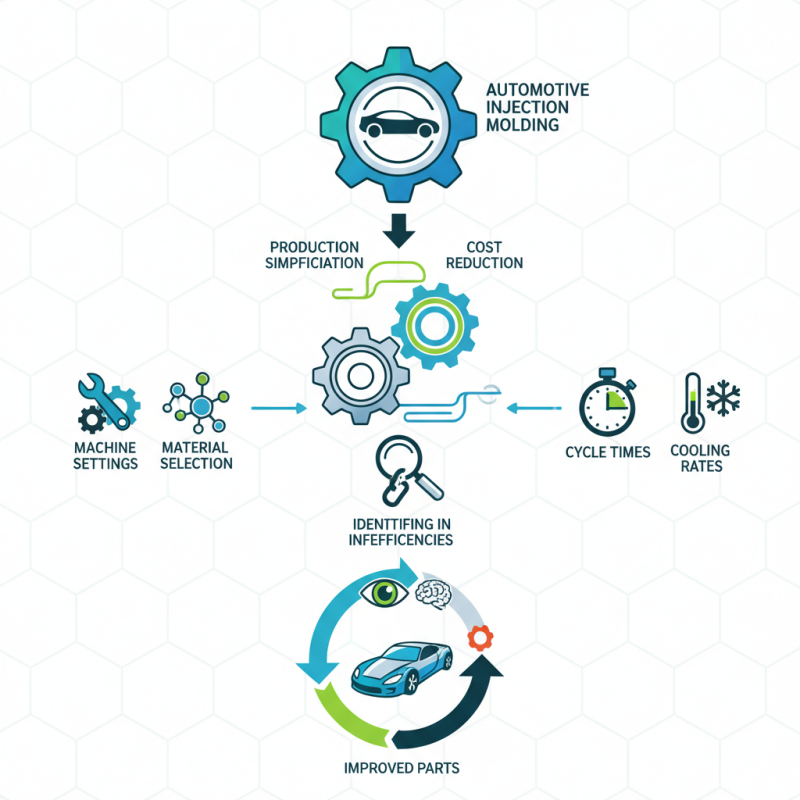
In the fast-paced automotive industry, optimizing automotive injection molding is crucial for efficiency. Renowned expert Dr. Sarah Johnson, a leader in advanced manufacturing processes, once stated, “Effective molding can simplify production and reduce costs significantly.” Her insight underscores the importance of this topic.
Automotive injection molding is not just about producing parts. It's about enhancing the entire manufacturing process. Small changes can lead to noticeable improvements. For instance, recalibrating machine settings or selecting better materials can make a difference.
However, the challenge lies in locating these small inefficiencies. Many manufacturers overlook crucial variables like cycle times or cooling rates. Addressing these imperfections requires diligent monitoring and a willingness to adapt. The path to optimizing automotive injection molding is paved with constant reflection and improvement.
Understanding Automotive Injection Molding Processes and Materials
Automotive injection molding plays a crucial role in producing efficient and high-quality parts. Understanding the materials involved is essential. Various plastics are used, such as polypropylene, ABS, and PVC. Each material has its own properties, which influence the final product. For example, polypropylene is lightweight and resistant to impact. ABS, on the other hand, offers excellent rigidity and surface finish. The choice of material dictates performance and longevity.
The injection molding process itself is a detailed procedure. It involves heating the plastic until it becomes molten. This molten plastic is then injected into molds under high pressure. The mold cools, solidifying the plastic into the desired shape. An often overlooked aspect is the cooling time. If not optimized, it can slow down production rates significantly. Finding the right balance between cooling time and cycle efficiency is a common challenge. Sometimes, adjustments in mold design can help improve this.
However, mistakes can happen. Selecting the wrong material or mold design can lead to defects. These defects may include warping or improper dimensions. It’s essential to analyze production data regularly. Gathering feedback from the manufacturing process can highlight areas needing improvement. Reflecting on these issues can enhance not just efficiency but also quality over time.
Identifying Key Factors Affecting Molding Efficiency in Automotive Parts
Optimizing automotive injection molding requires a deep understanding of key factors affecting efficiency. According to a report from the Society of Plastics Engineers, cycle time is crucial. Reducing cycle time by just 10% can lead to a 5% increase in production output. This efficiency directly impacts costs and resource allocation.
Material selection also plays a significant role. Different polymers have varying viscosity and flow rates, influencing mold filling. Engineered resins may improve mechanical properties but could slow down the process. An industry's analysis revealed that material transitions during production can waste up to 15% in time and costs. Maintaining a tight control over material properties is essential.
Additionally, mold design should not be overlooked. Poor venting can lead to defects and increased downtime. Common issues include air traps and inconsistent cooling. It's vital to analyze and optimize mold design for performance. A recent study indicated that implementing advanced simulation techniques can reduce defect rates by 20%. These factors show that there’s always room for improvement and reflection in automotive injection molding practices.
How to Optimize Automotive Injection Molding for Efficiency?
| Factor |
Description |
Impact on Efficiency |
Optimization Technique |
| Material Type |
Choice of thermoplastics or thermosets affects flow characteristics. |
High impact on cycle time and quality. |
Select materials with optimal flow properties. |
| Mold Design |
Complexity and configuration of the mold can restrict material flow. |
Critical influence on molding precision and speed. |
Design molds with balanced flow paths. |
| Temperature Control |
Consistency in mold and material temperatures affects uniformity. |
Directly influences cycle times and defect rates. |
Utilize advanced temperature control systems. |
| Cooling Time |
Cooling time impacts overall cycle time significantly. |
Long cooling times reduce output rate. |
Optimize cooling channel design. |
| Injection Speed |
Speed of injection can affect part quality and cycle time. |
Impact on dimensional accuracy and surface finish. |
Adjust parameters based on material behavior. |
Strategies for Improving Cycle Time and Reducing Waste in Production
Automotive injection molding is vital for efficient production. Improving cycle time is essential. One approach is to analyze the mold design. Streamlined geometries reduce material flow resistance. This change can lead to faster cooling rates. Less time in the mold means more parts produced in a shift.
Reducing waste is equally important. Consider using simulation software before actual production. This helps identify flaws in the design. Small adjustments can prevent significant waste. Minimizing scrap materials can save costs. Machine maintenance is another critical area. Regular upkeep prevents breakdowns and extends the equipment's life.
Monitoring production data is essential. It reveals patterns that can point to inefficiencies. Staff training is crucial too. A skilled workforce can adapt quickly to changes. They can provide insights into the molding process. This type of continuous learning can drive improvements. Observing and refining these strategies is key.
Automotive Injection Molding Efficiency Optimization
Implementing Advanced Technologies for Enhanced Injection Molding Performance
In the automotive industry, optimizing injection molding processes is crucial. Implementing advanced technologies can significantly enhance the performance of these processes. For instance, utilizing
real-time monitoring systems can provide immediate feedback on issues during production. This allows for quicker adjustments, reducing waste and maintaining quality.
Tips: Invest in sensors that provide data on temperature and pressure. These parameters are vital for consistency. Regularly analyze this data for trends that may indicate maintenance needs.
Another vital technology involves using simulation software. This software helps predict how materials will behave during molding. Engineers can adjust designs before production begins, saving time and resources. However, reliance on simulation tools should be balanced with real-world testing. Sometimes, simulations cannot capture every variable.
Tips: Run small batch tests to validate your simulation results. This step is essential to identify any discrepancies. Keep an open mind regarding simulation outcomes; they aren’t always perfect reflections of reality.
Evaluating Cost-Effectiveness and Sustainability in Molding Operations
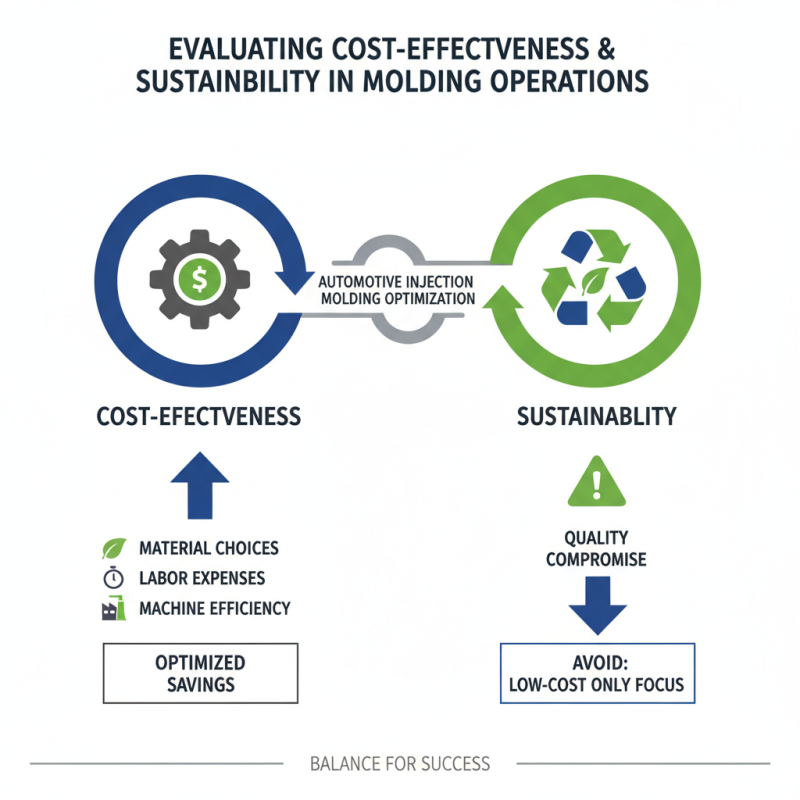
Optimizing automotive injection molding involves evaluating both cost-effectiveness and sustainability. Cost considerations are critical. Manufacturers must examine material choices, labor expenses, and machine efficiency. The right combination can lead to significant savings. However, focusing solely on low costs may result in compromised quality.
Sustainability is equally important. The automotive industry faces increasing pressure to reduce its environmental footprint. Adopting eco-friendly materials can be one solution. Biodegradable plastics, for instance, are gaining traction. Yet, these alternatives often come with higher initial costs. Finding a balance is challenging. Waste management practices also need scrutiny. Recycling scrap and excess material can lower costs but requires an upfront investment.
Finally, technology plays a role in enhancing both cost and sustainability. Advanced machinery can improve efficiency but might be costly to implement. There is a need for careful assessment to determine long-term benefits. Embracing innovation often leads to better outcomes, but not every solution works for every situation. Continuous evaluation and willingness to adapt are key.