What is an Injection Mold Machine and How Does it Work?
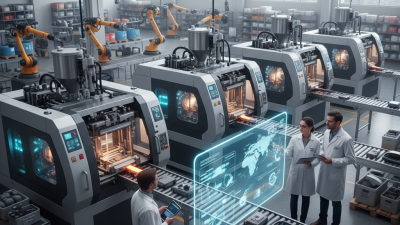
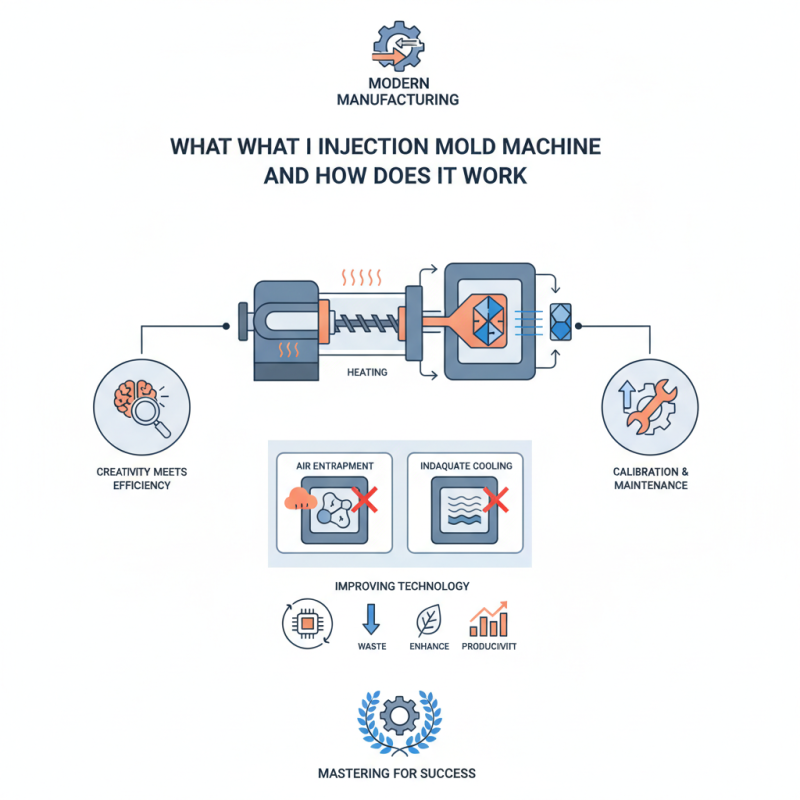
The injection mold machine is a crucial piece of equipment in modern manufacturing. It shapes various materials into specific forms. According to Dr. Emily Thompson, a leading expert in injection molding, “The injection mold machine is where creativity meets efficiency.” This statement highlights the machine's role in the production process, turning innovative ideas into tangible products.
An injection mold machine works by heating plastic until it becomes molten. This liquid is then injected into a mold cavity, where it cools and solidifies. The precision of this process allows manufacturers to create complex designs with high accuracy. However, achieving this level of precision requires careful calibration and maintenance, which can be challenging.
These machines are not without their flaws. Issues like air entrapment and inadequate cooling can arise. Manufacturers must continuously evaluate their processes, improving the technology used in injection molding. By doing so, they can reduce waste and enhance productivity. In a rapidly evolving industry, mastering the injection mold machine is essential for success.
What is an Injection Mold Machine?
An injection mold machine is a critical piece of equipment in the manufacturing industry. It shapes plastic materials into specific forms through a process known as injection molding. According to a report by Research and Markets, the global injection molding machine market was valued at approximately $17.5 billion in 2020 and is expected to reach around $25 billion by 2026. This growth signifies its importance across various sectors, including automotive, consumer goods, and packaging.
The machine operates by heating plastic resin until it reaches a molten state. This molten plastic is then injected into a mold cavity under high pressure. The plastic cools down, solidifying into the desired shape. Despite its efficiency, the process can be complex and may lead to defects, such as warping or incomplete filling. A study from the American Society of Mechanical Engineers noted that approximately 5-10% of produced parts may face quality issues. Investigating these failures is essential for improving production techniques and minimizing waste, which is a common concern among manufacturers aiming for sustainability.
Key Components of an Injection Mold Machine
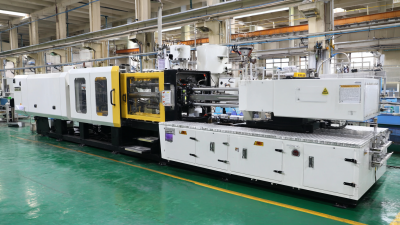
An injection mold machine is a highly specialized device used in the manufacturing process. Its key components work together to create precise plastic parts. The machine consists of several main elements. The injection unit melts plastic pellets and injects the molten material into a mold. This unit requires a heater to maintain the right temperature. The clamping unit holds the mold tightly during injection.
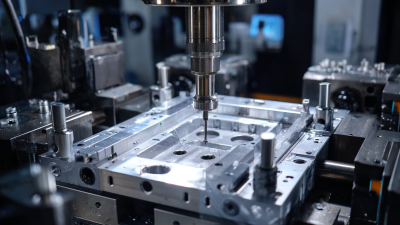
The mold itself is a crucial component. It shapes the molten plastic into desired forms. Made of two halves, the mold opens and closes swiftly to allow for quick production cycles. Different molds can create various shapes. The cooling system within the mold helps solidify the plastic quickly. Additionally, there is an ejector system that removes the final product from the mold.
While the injection mold machine automates much of the process, there are challenges. The cycle time can vary due to cooling rates and material types. Operators need to monitor temperatures closely; overheating can lead to defects. Achieving the right balance between speed and quality is essential and often requires adjustments. Understanding these components and their functions helps in troubleshooting and improving production efficiency.
The Injection Molding Process Explained
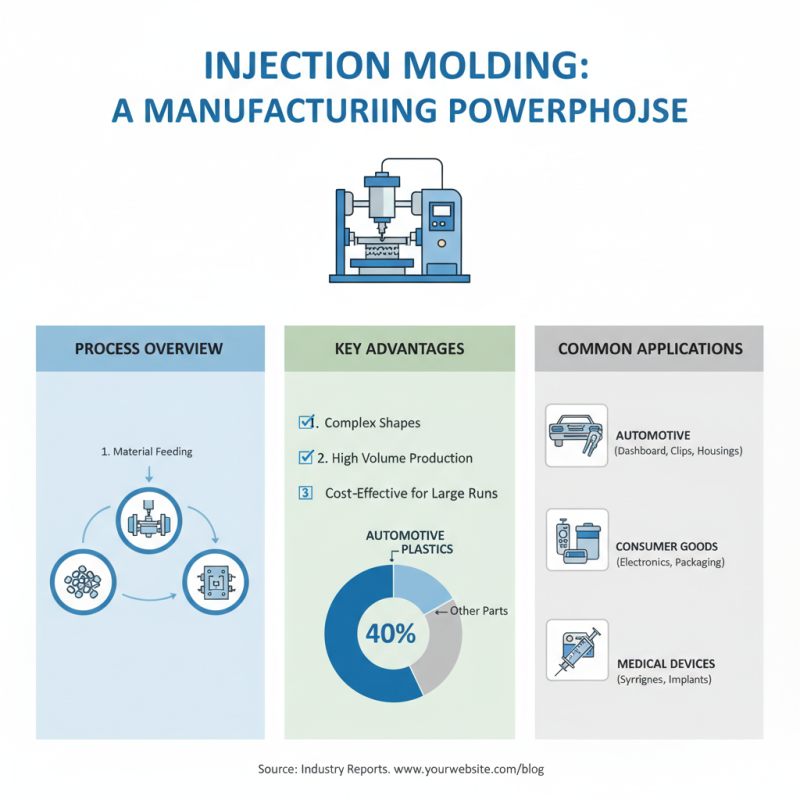
The injection molding process is a widely used method for producing plastic parts. It involves several key steps. First, raw plastic material is heated until it becomes molten. This molten plastic is then injected into a mold, which shapes it into the desired form.
Cooling is crucial in this process. Once the molten material fills the mold, it begins to cool and solidify, taking the shape of the mold. The cycle time varies. Some pieces cool quickly, while others may take longer. The balance between speed and quality can be challenging. An imperfect mold can lead to defects in the final product.
After cooling, the mold opens, and the solidified part is ejected. This step can be tricky. If the part sticks, it can damage both the part and the mold. Adjustments may be needed for future runs. Over time, manufacturers learn from these imperfections, refining their techniques to improve efficiency and reduce waste. Each cycle provides valuable insights for continuous improvement.
Injection Molding Process Overview
Common Applications of Injection Molding
Injection molding is a key manufacturing process widely used across various industries. Common applications include automotive components, consumer goods, and medical devices. In the automotive sector, injection molding produces around 40% of all plastic parts. These include dashboard panels, clips, and housings. The ability to create complex shapes and designs makes this method ideal for such applications.
The consumer goods market heavily relies on injection molding too. Items like kitchen utensils, toys, and bottles are frequently made through this process. Reports indicate that over 30% of injection molded products are consumer items. This reliance showcases the need for durability and precision in production. However, the environmental impact of plastic waste raises concerns. The industry must reflect on ways to improve sustainability. Innovations in biodegradable materials are a step forward, but they require further development.
In the medical industry, injection molding is crucial. Devices like syringes and surgical tools often come from this process. Quality control is vital here due to safety standards. However, achieving consistent quality remains a challenge for manufacturers. As demand grows, addressing these issues becomes more pressing. Balancing efficiency with safety requires ongoing efforts from the industry.
Advantages and Disadvantages of Injection Molding
Injection molding is a widely used manufacturing process. It allows for the mass production of precise plastic parts. However, like any technology, it has its pros and cons.
One major advantage of injection molding is efficiency. It can produce thousands of parts quickly. This saves time and labor in manufacturing. Additionally, the process offers high precision. Parts can be made to very tight tolerances. This is crucial in many industries. On the downside, the initial setup and mold creation can be costly. Small production runs might not justify these expenses. This means companies must weigh their needs carefully.
Another consideration is design flexibility. Injection molding can produce complex parts with intricate details. This opens up possibilities for new products. However, designing molds requires expertise. Mistakes can lead to delays and increased costs. The material choices are also limited to those that can flow well during the process. Thus, not every concept can be realized in this medium. Balancing these factors is key for manufacturers looking to use injection molding effectively.