10 Essential Tips for a Successful Plastic Injection Moulding Process?
In the realm of manufacturing, the plastic injection moulding process stands as a pivotal element for many industries. According to Dr. John Smith, an expert in polymer engineering, “Mastering every detail of the injection moulding process is crucial for product success.” This statement emphasizes the importance of precision and understanding in achieving optimal results.
Many factors influence the plastic injection moulding process. Quality materials, machine settings, and cooling times all play significant roles. However, it’s easy to overlook these essential details. Companies may rush this process, leading to costly mistakes. A single miscalculation can result in defects or wasted materials.
Despite its complexities, the plastic injection moulding process offers remarkable benefits. With careful attention, manufacturers can produce intricate designs efficiently. Yet, complacency can be detrimental. Regular reviews and process improvements are necessary to maintain standards and adapt to market demands. Emphasizing a culture of learning and adaptation is vital for any team involved in this process.
Understanding the Basics of Plastic Injection Moulding Technology
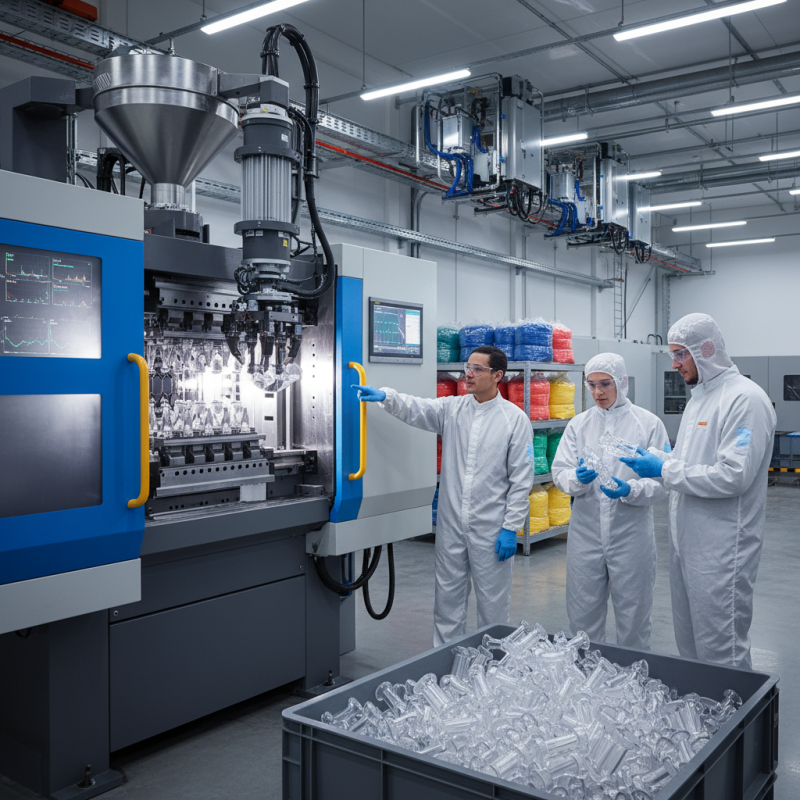
Plastic injection moulding is a widely used manufacturing process. It transforms raw plastic into functional parts. Understanding this technology is essential for success. The process begins with heating plastic pellets until they become molten. Then, the liquid plastic is injected into a mould. Cooling occurs, and the part solidifies.
Throughout this process, several factors can lead to issues. For instance, improper temperature control may cause problems. The viscosity of the molten plastic varies, affecting flow. Also, not all designs work well with injection moulding. Complex shapes may lead to defects.
Testing and adjustments are crucial. Regularly evaluating the mould and the machine helps identify flaws. Operators should stay vigilant to ensure consistency. Listening to feedback from team members fosters improvement. The moulding process requires patience and adaptability. Each batch provides learning opportunities to refine techniques.
Selecting the Right Materials for Optimal Injection Moulding Results
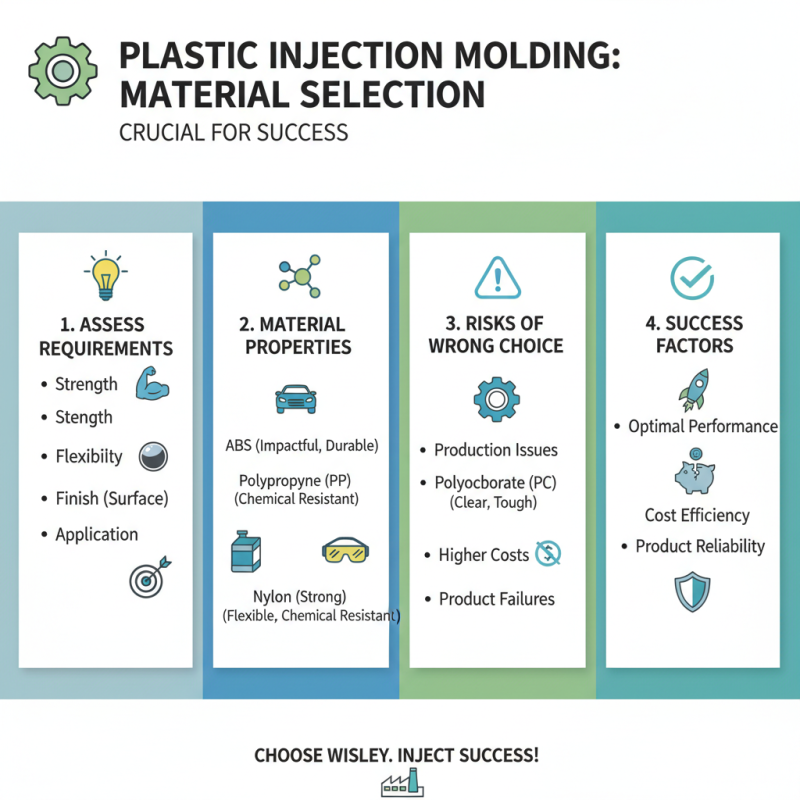
Selecting the right materials is crucial for the success of the plastic injection moulding process. Different materials can yield varying results in terms of strength, flexibility, and finish. It's essential to assess the specific requirements of your project before making a decision. For instance, choosing a material that does not fit the application can lead to production issues, higher costs, or even product failures.
Consider the properties of common materials used in injection moulding. For example, ABS offers good strength and impact resistance. However, it may not be suitable for high-temperature applications. Alternatively, polycarbonate provides excellent durability but can be challenging to process. Striking the right balance between performance and manufacturability is key.
It's also important to test your chosen material under real-world conditions. Sometimes, results differ significantly from expectations. Conducting trials can reveal flaws or performance gaps early in the process. If a material doesn't perform as intended, it can lead to rework, delays, or waste. Reflecting on these experiences can help refine future material selections, ultimately leading to improved outcomes.
Designing Effective Moulds for Enhanced Production Efficiency
When designing effective molds for plastic injection, attention to detail is crucial. The right material selection can make a significant difference. Consider the temperature and pressure changes during the injection process. Conduct thorough research to ensure the selected material meets these needs. Ignoring this can lead to defects and inefficiencies in production.
Additionally, think about the mold's design complexity. Simpler designs are often easier to manufacture. They may also enhance the durability of the mold. However, striking a balance can be tricky. Intricate details can improve aesthetics but complicate the molding process.
Flow channels are another essential aspect. Properly designed channels ensure even plastic distribution. Uneven flow can cause weak points in the final product. Regular testing and adjustments are necessary. Learn from past mistakes to refine future designs. Each production run offers insights that can enhance efficiency. Embrace the process of trial and error for better results.
Monitoring and Controlling Parameters During the Injection Process
Monitoring and controlling parameters during the injection process is critical for success in plastic injection moulding. Temperature, pressure, and injection speed are just a few critical factors. According to a recent industry report, improper control of these variables can lead to defects in up to 25% of produced parts. This shows the need for meticulous oversight.
One essential tip is to regularly calibrate your machinery. A slight shift in temperature by 5°C can cause warping in the final product. Maintaining consistent parameters can help reduce scrap rates significantly. Another tip is to use real-time monitoring systems. These systems can track fluctuations almost instantly. They can alert operators to potential issues before they escalate.
It's also important to analyze the data gathered during production. Not all processes are foolproof. Sometimes, deviations occur due to unexpected material behavior. By reviewing historical data, engineers can identify trends and make necessary adjustments. This not only saves time but also enhances product quality over time. Operators should engage in regular training to stay updated on best practices, causing further improvements in efficiency.
10 Essential Tips for a Successful Plastic Injection Moulding Process - Monitoring and Controlling Parameters During the Injection Process
| Parameter |
Optimal Range |
Impact on Quality |
Monitoring Technique |
| Injection Pressure |
800 - 1200 bar |
Ensures proper filling and reduces defects |
Pressure sensors and data logging |
| Melt Temperature |
200 - 240°C |
Affects viscosity and flow |
Thermocouples and infrared thermometers |
| Cycle Time |
30 - 60 seconds |
Higher rates improve productivity |
Cycle time monitoring software |
| Cooling Time |
15 - 30 seconds |
Too short can cause warping |
Cooling timers and infrared sensors |
| Back Pressure |
50 - 100 bar |
Influences melt homogeneity |
Back pressure gauges |
| Material Feed Rate |
Varies by material |
Affects filling and surface finish |
Feed rate monitoring systems |
| Shot Size |
80 - 90% of mold volume |
Critical for part weight consistency |
Mold filling analysis tools |
| Humidity Control |
<60% RH |
Prevents moisture-related defects |
Hygrometers |
| Environment Temperature |
20 - 25°C |
Affects material behavior and machine performance |
Climate control systems |
| Clamping Force |
Varies by part size and complexity |
Prevents mold opening and flash |
Force monitoring systems |