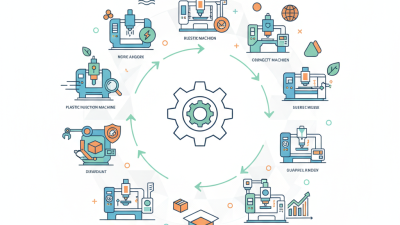
China Top Plastic Injection Moulding Process Explained?
China’s top plastic injection moulding process combines precision tooling, controlled production, and experienced engineering teams. This guide explains how manufacturers transform plastic pellets into consistent, usable components. It follows the complete journey, from material selection and mould design to injection, cooling, trimming, and inspection.
The process begins with a technical review of the product’s shape, wall thickness, tolerances, and expected production volume. Engineers may adjust sharp corners, uneven walls, or difficult ejection areas before cutting steel. These decisions influence cycle time, surface quality, and mould lifespan. Small details matter.
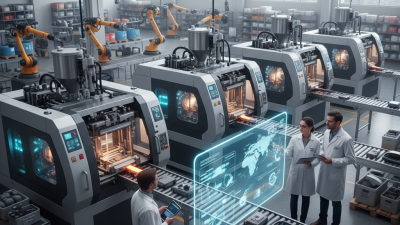
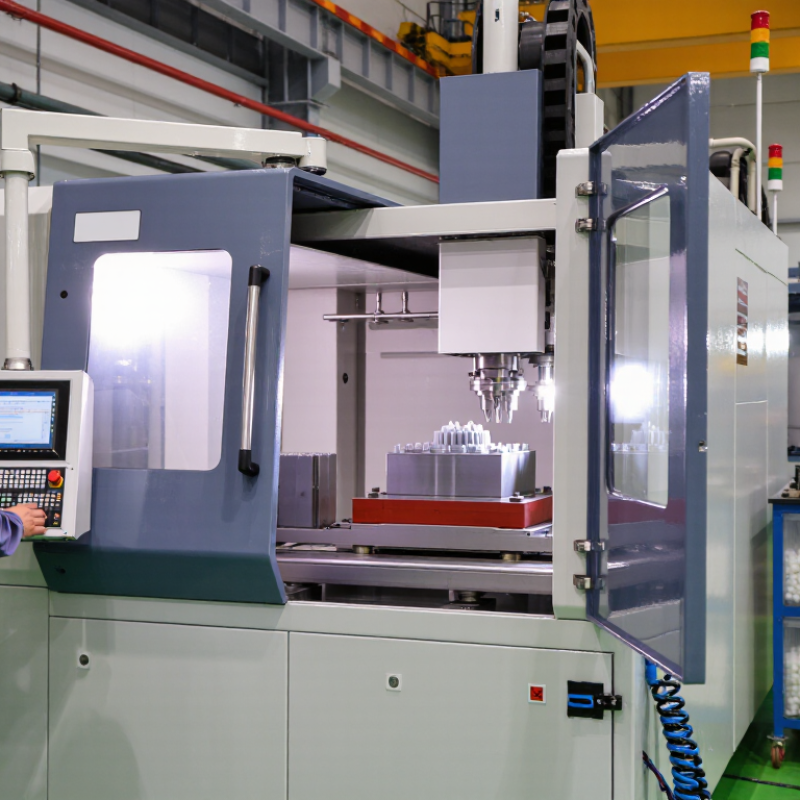
Inside the machine, heated resin flows through the barrel and enters the mould under controlled pressure. Cooling channels then remove heat while the part takes its final shape. Operators monitor temperature, injection speed, pressure, and cooling time. Automated systems improve repeatability, but human judgment still matters during setup and troubleshooting.
Reliable Chinese moulding suppliers usually combine modern equipment with documented quality procedures. They inspect samples using calipers, gauges, visual standards, and, when necessary, three-dimensional measuring equipment. Material certificates and production records also support traceability. However, no factory is perfect. A minor variation in moisture, mould temperature, or material drying can affect the final part.
For this reason, buyers should evaluate more than machinery photographs. They should review engineering communication, sample approval methods, quality reports, tooling maintenance, and production experience. This practical introduction will help readers understand the plastic injection moulding process clearly, while also recognising its limitations, risks, and opportunities for improvement.
Plastic Injection Moulding in China: Definition, Scope, and Main Applications
Plastic injection moulding in China is a manufacturing process for producing repeated plastic parts. Heated polymer pellets enter a mould under controlled pressure. The material cools, solidifies, and releases as a finished component. This method supports high-volume production with consistent dimensions, smooth surfaces, and efficient material use. It also covers mould design, tooling, sampling, quality inspection, and production management.
Its scope is broad. Injection moulding serves automotive interiors, household products, electrical enclosures, medical equipment, packaging, and industrial components. Engineers select materials according to strength, flexibility, heat resistance, appearance, and operating conditions.
During factory evaluations, details matter. Check mould steel, cooling channels, ejection marks, cycle time, and part weight.
A small variation in cooling can cause warping or visible sink marks. Tolerances should be agreed before tooling begins, not after a disappointing sample.
Tips:
Request a documented sample approval process. Confirm resin specifications and inspection methods. Ask how defects are recorded and corrected. Keep drawings, revision numbers, and test results together. Clear communication reduces avoidable rework.
Cost is important, but it should not control every decision. A cheaper mould may require more maintenance or produce unstable parts. I have found that practical production evidence is more useful than attractive promises. Still, no process is perfect. Even experienced teams may overlook a difficult corner, uneven wall thickness, or unrealistic tolerance. Good results depend on engineering review, controlled parameters, and honest feedback throughout the project.
How Plastic Parts Are Designed and Moulds Are Engineered
China Top Plastic Injection Moulding Process Explained?
How Plastic Parts Are Designed and Moulds Are Engineered
A reliable plastic part begins with its purpose, not its appearance. Engineers review load, temperature, wall thickness, assembly, and expected service life. Sharp corners often create stress, so small radii are added where practical. Uniform walls also reduce sinking, warping, and uneven cooling.
The mould design follows the part’s behaviour. Draft angles help the component release without scuffing. Gates must fill the cavity evenly, while vents allow trapped air to escape. Cooling channels need careful placement around thick sections. Poor cooling can lengthen cycles and distort otherwise accurate parts. These details require both calculation and workshop experience.
Material selection changes the entire process. A glass-filled polymer may need stronger tooling and different shrinkage data. A flexible resin can require revised ejection support. Engineers commonly use flow analysis, but simulation is not a final answer. Real mould trials still reveal hesitation marks, weld lines, or unexpected deformation. A perfect first design is rare. That assumption can fail.
During sampling, technicians measure critical dimensions and inspect the surface under controlled lighting. They may adjust the gate, polish selected areas, or modify cooling performance. Small changes matter. Reliable production comes from recording each adjustment and linking it to test results. Clear drawings, material records, and inspection standards then make future batches more consistent.
Material Selection, Preparation, and Machine Setup
China’s plastic injection moulding process starts with a material decision, not the machine. PlasticsEurope reported 400.3 million tonnes of global plastic production in 2022. This scale shows why resin selection affects cost, quality, and waste. Choose polypropylene for chemical resistance and low density. Use ABS when impact strength and surface appearance matter. Engineering polymers need tighter drying control. Their moisture can cause silver streaks, bubbles, or brittle parts.
Material preparation should be measured, not guessed. Check the resin certificate, lot number, and moisture level before loading. Dry hygroscopic materials according to supplier data, then seal them from humid air. In practical production, small errors remain expensive. A 2023 industry report from the International Energy Agency notes that plastics manufacturing is energy-intensive, so excessive drying and reheating should be avoided. Machine setup then connects preparation with repeatability. Confirm barrel temperature, mould temperature, injection speed, holding pressure, and cooling time. Start with conservative settings. Adjust one variable at a time.
Tips: Keep a setup sheet beside the machine. Record actual values, not target values. Clean the hopper and feed throat before changing resin. A first-shot inspection should check weight, flash, short shots, weld lines, and dimensions. Process capability data is useful, but it can hide poor sampling. I have seen stable-looking runs fail after a humid night. The lesson is uncomfortable: machine settings alone cannot rescue badly prepared material.
China Plastic Injection Moulding Process: Material Selection, Preparation, and Machine Setup
The chart compares typical melt-temperature windows with common pre-drying temperatures for widely used injection-moulding materials. Actual settings depend on the resin grade, part geometry, moisture level, mould design, and machine manufacturer. Drying is especially important for moisture-sensitive materials such as polyamide and polycarbonate.
The Step-by-Step Plastic Injection Moulding Process
China Top Plastic Injection Moulding Process Explained?
The Step-by-Step Plastic Injection Moulding Process
Plastic injection moulding begins with product review and mould design. Engineers check wall thickness, draft angles, ribs, and likely shrinkage. A practical design prevents trapped air and difficult ejection. Small details matter here.
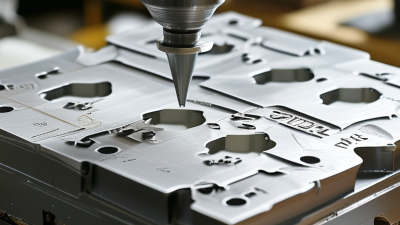
Mould makers then prepare steel blocks using CNC machining, drilling, and electrical discharge machining. Polishing follows, especially on visible surfaces. Before production, technicians assemble the mould and inspect its moving parts. A trial moulding test reveals problems that drawings may miss. The first trial is rarely perfect.
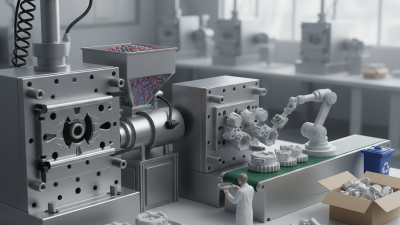
During production, dried plastic pellets enter a heated barrel. The screw melts and pushes the material into the closed mould. Injection speed and pressure must match the part’s shape. Holding pressure keeps the cavity filled while the plastic contracts. Cooling channels remove heat before the mould opens. The ejector system then releases the finished part.
Technicians inspect dimensions, weight, colour, surface marks, and flash. They may adjust temperature, cooling time, or packing pressure. Process records improve repeatability between production batches. Still, operators should question unusual results instead of accepting them too quickly. A minor change in resin moisture can create bubbles, brittleness, or unstable dimensions. Reliable moulding depends on measured settings, clean equipment, and experienced observation.
Quality Control, Finishing, and Production Standards in China
China’s plastic injection moulding process depends on controlled quality at every stage. Engineers review resin, shrinkage, wall thickness, and mould cooling before production begins. A trial run checks filling balance, weld lines, sink marks, and part dimensions. Samples should be measured with calibrated gauges or a coordinate measuring machine.
Production standards must be documented, not assumed. A reliable factory records mould temperature, injection pressure, cycle time, and material batch numbers. Operators inspect parts during production, while inspectors verify appearance and critical dimensions. Finishing may include trimming gate marks, polishing surfaces, removing flash, or applying texture. A glossy surface can still hide weak corners. That detail is easy to miss.
Tips:
Request a first-article inspection report before mass production. Define acceptable limits for color, gloss, flash, warpage, and surface marks. Ask for photos of packed parts and inspection tools. Clear criteria prevent arguments later. In practical projects, small changes in cooling time can affect both appearance and size. I have found that production teams sometimes prioritize speed too early. That choice may reduce cost briefly, but it can increase rework. A final audit should confirm packaging, labeling, quantity, and traceability before shipment.