2026 Best Insert Injection Molding Options for Global Buyers?
Insert Injection Molding has become a vital technique for manufacturers worldwide. This method combines different materials to create complex parts in one process. With the rise of advanced technology, options for efficient and reliable insert injection molding are expanding. Global buyers now face a plethora of choices.
In 2026, these options vary significantly in quality and performance. Buyers must navigate the landscape carefully. It is essential to consider the specific needs of projects. The most efficient methods may not always be the most popular. For instance, some advanced machines promise speed but can lack precision. This trade-off can lead to frustrating results.
Understanding the nuances of insert injection molding allows for informed decisions. Experts advise assessing a supplier's reputation and past performance. It's crucial to reflect on previous experiences and learn from them. Each project comes with unique challenges that require thoughtful solutions. The right choice can lead to significant advantages in production efficiency.
Overview of Insert Injection Molding and Its Benefits
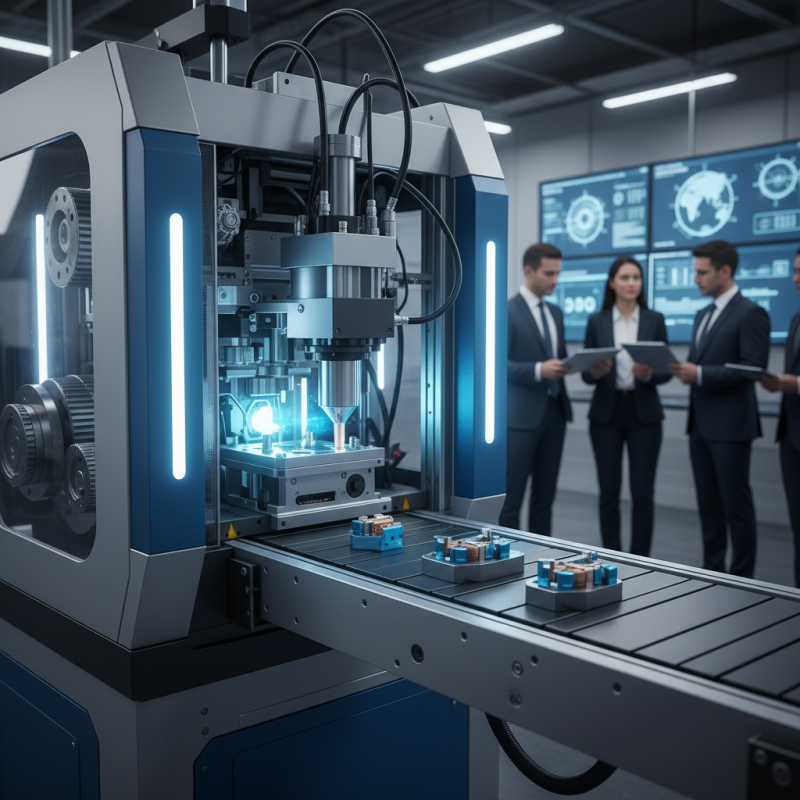
Insert injection molding is a process that combines two materials into one part. It allows for the precise placement of metal or other components within a plastic mold. This technique provides significant production efficiency. It is widely used in industries ranging from automotive to medical devices.
The benefits of insert injection molding are numerous. It enhances product strength by integrating different materials. This leads to better overall performance and durability. Additionally, insert molding reduces assembly time and labor costs, streamlining manufacturing processes. Companies can achieve reduced waste, as this method often eliminates the need for additional components or assembly.
However, it’s essential to consider some challenges. The initial design and tooling costs can be high. Companies must balance these costs against potential savings. Moreover, the complexity of the process requires skilled operators. This can sometimes limit accessibility for smaller manufacturers. As technology evolves, more efficient solutions may emerge, addressing these limitations.
Key Factors to Consider When Selecting Molding Options
When selecting molding options for injection molding, various factors play a crucial role. The choice of material is one of the key considerations. Different materials respond differently during the molding process. Some materials may require specific temperatures or pressures, which can affect production efficiency. Understanding these requirements can save time and costs.
Another critical factor is the design of the mold itself. Simplicity can often lead to better results. Complicated designs may introduce risks, such as difficulty in demolding. The design should also consider the final application's needs. For instance, if the product requires intricate details, the mold must ensure precision without compromising structural integrity.
Lastly, think about production volume. High-volume production might lead to different machinery and tooling requirements compared to low-volume needs. Yet, some might overlook how volume impacts cost and time. Balancing these elements requires careful planning and foresight. Engaging with experts in tooling can provide valuable insights, fostering a more informed decision-making process. It’s essential to reflect on these factors while navigating the complexities of the injection molding landscape.
2026 Best Insert Injection Molding Options for Global Buyers
This chart presents the key factors to consider when selecting injection molding options for 2026. The factors include cost efficiency, production speed, material versatility, quality finish, and customization options, rated from 1 to 10 based on their importance for global buyers.
Top 2026 Manufacturers for Insert Injection Molding Equipment
The insert injection molding market continues to evolve rapidly. Global buyers need to focus on a few key manufacturers that stand out for their innovative solutions and reliability. These manufacturers provide a range of equipment, each tailored to specific industry needs. Their expertise plays a crucial role in enhancing production efficiency and product quality.
In 2026, companies looking for insert injection molding equipment will find a diverse array of choices. Some manufacturers emphasize automation, which reduces labor costs and increases precision. Others focus on environmentally friendly materials and energy-efficient machines. This diversity brings both options and complexity to the decision-making process.
Buyers might face challenges in selecting the right equipment. Evaluating technical specifications, after-sales service, and customer reviews can provide clarity. However, not all manufacturers are consistent in delivering quality. It's essential to engage with companies that have a proven track record. Understanding both the strengths and limitations of each option is vital for making informed decisions.
Comparative Analysis of Materials Used in Insert Injection Molding
In insert injection molding, the choice of materials significantly impacts product quality and durability. Various materials can be used as inserts, which may include metals, ceramics, and specialized plastics. Each material offers unique benefits as well as some challenges. For instance, metals provide excellent strength but can be heavier and more expensive. In contrast, plastics are lightweight and cost-effective but may lack the necessary strength for specific applications.
When selecting materials for insert injection molding, consider compatibility. Some materials bond better than others. A poor bond can compromise the integrity of the final product. Testing different combinations can lead to the best results, but it may require additional resources and time. Pay attention to thermal properties, as some materials can expand or contract differently with heat.
Tips for optimizing insert selection: ensure that your insert material matches the expected operating conditions of the final product. Assess the environmental impacts of your materials. Sometimes, using recycled materials can enhance sustainability, though they may require more rigorous evaluation for quality assurance. Always keep in mind that the first choice may not be the best; being open to adjustments can lead to a superior final product.
Future Trends in Insert Injection Molding Technologies
As the manufacturing landscape evolves, insert injection molding technologies are making significant strides. These advancements focus on enhancing efficiency and productivity in production lines. Innovations such as multi-material injection molding are gaining traction. This technique allows manufacturers to work with different materials in a single mold, resulting in better product performance and superior aesthetic qualities.
Another crucial trend is the integration of automation in insert injection molding. Smart factories are becoming the norm. Automated systems reduce human error and speed up the production process. However, reliance on automation raises concerns about job displacement. This challenge prompts ongoing discussions about workforce adaptation and training.
Sustainability is also cornering its way into these technologies. Manufacturers are seeking eco-friendly materials and processes. However, achieving cost-effectiveness while being environmentally conscious remains a balancing act. Innovations in biodegradable materials could lead to a significant shift. Companies need to tread cautiously and consider long-term impacts as they innovate.