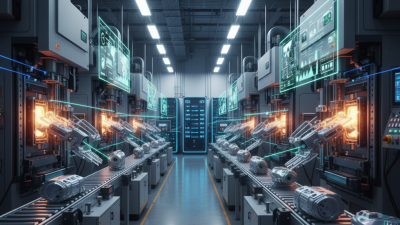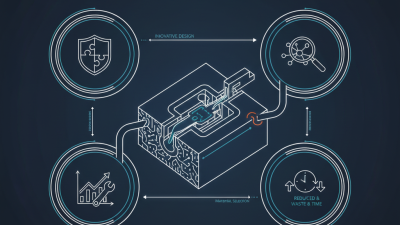
In the evolving landscape of manufacturing, the concept of design for manufacturing (DFM) stands as a critical focus. According to a report from Deloitte, 70% of manufacturers believe DFM significantly impacts production costs. This trend underscores a shift toward integrating design and manufacturing processes to optimize efficiency. Companies are increasingly adopting this approach to reduce waste and enhance product quality.
Amid rising competition and technological advances, organizations must reflect on their DFM strategies. A recent survey by McKinsey indicates that firms prioritizing DFM see a 30% reduction in product time-to-market. However, some businesses grapple with consistently implementing these principles. The complexity of modern products often leads to design decisions that do not consider manufacturability, resulting in increased costs and delays.
Investments in smart technologies can streamline DFM practices. Yet, while systems like CAD and simulation software offer significant advantages, they require adequate training and resources. Many firms face challenges in adopting these tools fully. As the industry navigates these trends, successful companies will blend innovative design with practical manufacturing insights for sustainable growth.
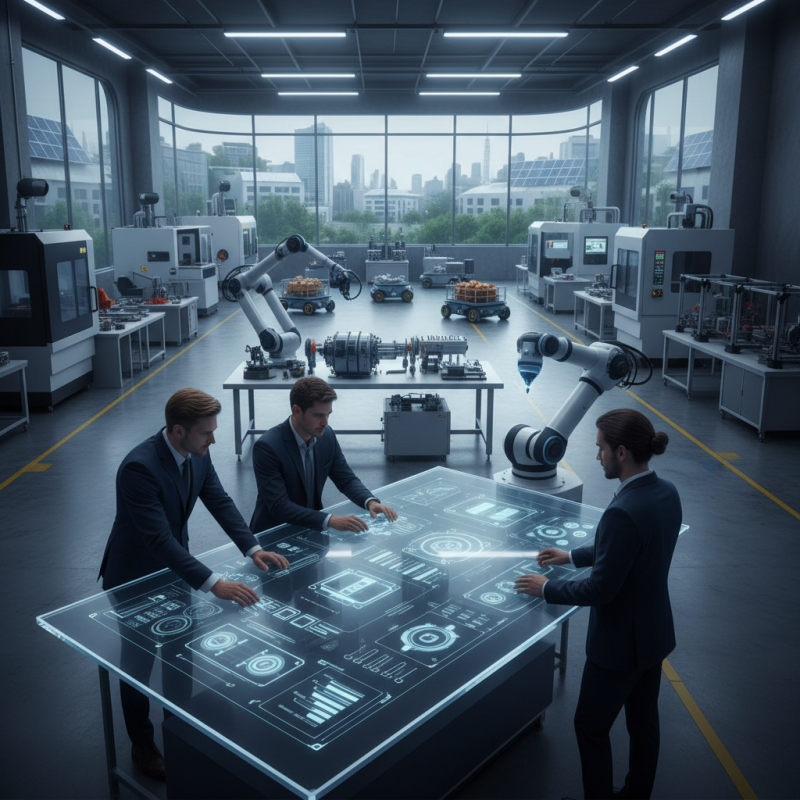
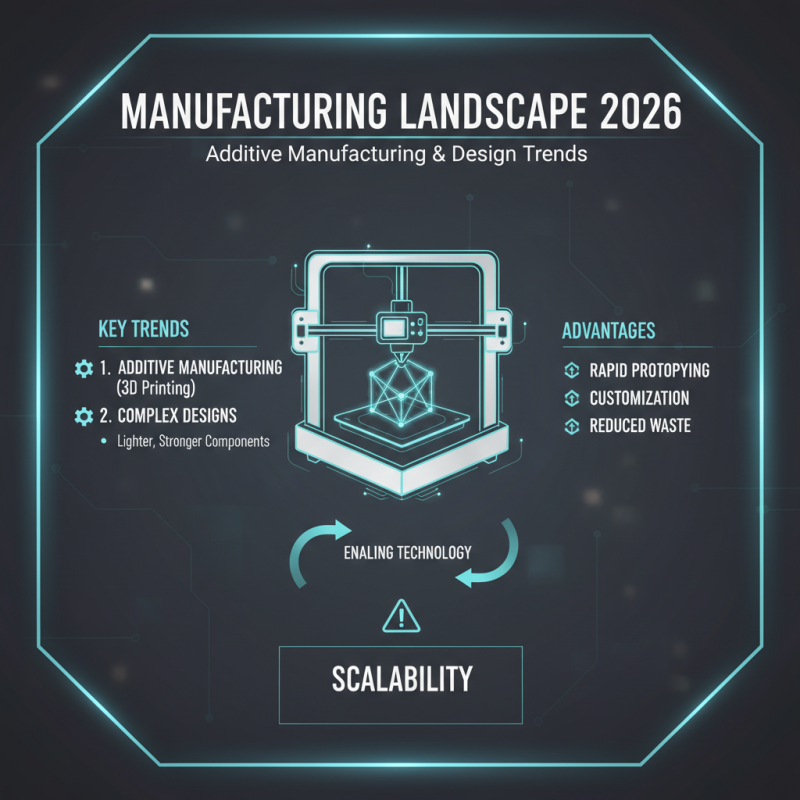
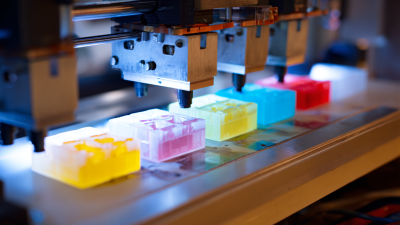
The manufacturing landscape is evolving rapidly. Emerging technologies are key in shaping design trends. In 2026, additive manufacturing, or 3D printing, will gain traction. It allows for complex designs not possible with traditional methods. Companies can produce lighter and stronger components. However, scaling production remains a challenge.
Artificial intelligence (AI) will also play a crucial role. It aids in design optimization and predictive maintenance. AI can analyze data from machines, helping to foresee issues. Yet, reliance on AI raises questions about decision-making. Humans may need to step back from some processes.
Sustainability is another critical trend. Eco-friendly materials are being integrated into designs. Consumers demand greener solutions. However, finding recyclable materials that perform well is difficult. The industry must continue finding a balance between innovation and sustainability.
Sustainability has become a crucial focus in the design for manufacturing (DfM) landscape. Designers are now considering eco-friendly materials and processes from the outset. This shift is not just a trend; it reflects a growing awareness of environmental impacts. Engineers often face challenges in balancing sustainability with functionality. They need to ask tough questions about material life cycles and energy consumption.
Companies are adopting circular economy principles. Waste reduction is a top priority. Recycling and reusing materials can transform traditional manufacturing practices. However, the transition is not always smooth. Integration of sustainable practices can lead to increased costs and complexity. Some manufacturers may struggle with this adaptation. Additionally, supply chain limitations can hinder the use of greener alternatives.
Designers are learning that sustainability isn't a one-size-fits-all approach. Each project requires specific considerations. The journey toward sustainable manufacturing is filled with uncertainties. As the industry evolves, there’s still much to explore. Designers must continually reflect on their decisions. Embracing imperfection in process and design can lead to innovative solutions. This ongoing evolution is essential for a sustainable future in manufacturing.
| Trend | Description | Impact on Sustainability | Projected Growth (%) |
|---|---|---|---|
| Circular Economy | Focus on reducing waste and optimizing resource usage. | Significant reduction in landfill waste. | 15% |
| 3D Printing | On-demand production minimizes material waste. | Lower carbon footprint from reduced shipping. | 20% |
| Sustainable Materials | Use of biodegradable and recyclable materials. | Decrease in reliance on fossil fuels. | 18% |
| Energy Efficiency | Improving machinery and processes to reduce energy consumption. | Lower emissions associated with production. | 12% |
| Digital Twin Technology | Virtual simulations of production processes for optimization. | Minimizes waste and inefficiencies. | 25% |
Automation and robotics are reshaping manufacturing. These technologies enhance efficiency and reduce errors. Many manufacturers are increasingly adopting robotic systems. Robots can perform repetitive tasks with precision. This reduces human fatigue and increases productivity. However, integrating such technology can pose challenges.
Training employees to work alongside robots is essential. Some workers may resist change, fearing job loss. It’s crucial to create a culture that embraces new tools. Manufacturers must ensure the workforce adapts. The investment in automation can be expensive. Yet, the long-term benefits often outweigh initial costs.
As we look toward the future, innovation is not without its imperfections. Over-reliance on automation might create vulnerabilities. Machines require maintenance and can fail unexpectedly. Balancing technology with human touch is vital. This synergy can lead to more robust manufacturing processes. Ensuring the right mix takes time and reflection. It’s a journey, not a destination.
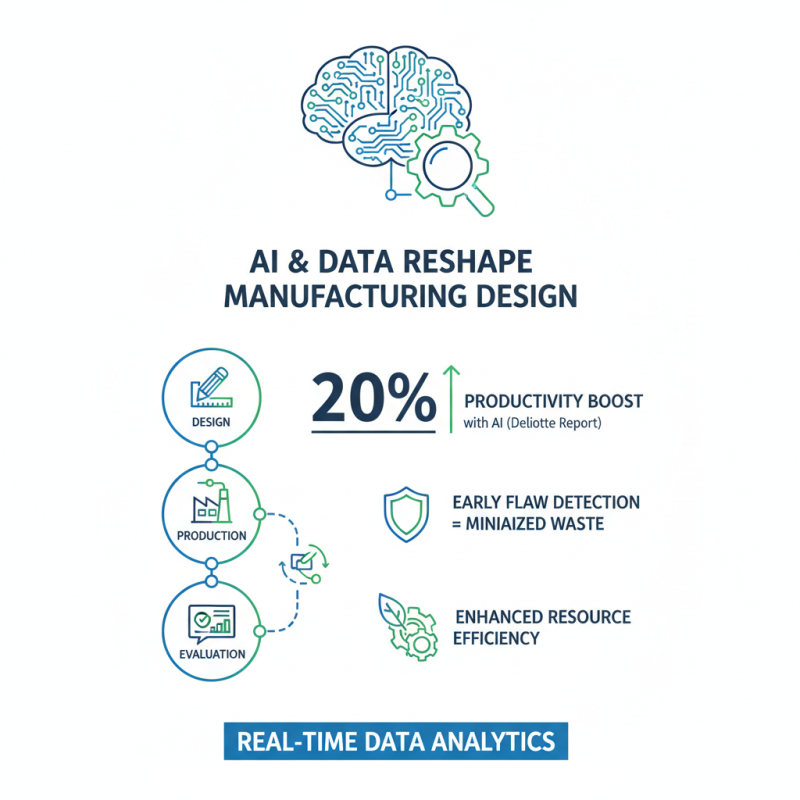
In recent years, the integration of AI and data analytics into design lifecycle management has transformed manufacturing processes. According to a report by Deloitte, firms that leverage AI can expect a 20% increase in productivity. This trend is reshaping how products are designed, produced, and evaluated. Real-time data analysis helps teams to identify potential flaws early. Moreover, this can minimize waste and enhance resource efficiency in production.
As companies adopt these technologies, challenges remain. Data quality issues can lead to misleading insights. Many organizations struggle with integrating AI effectively. Streamlining workflows and ensuring proper training are critical, yet often neglected steps. In fact, about 60% of firms report difficulties in aligning their data strategies with their design goals. The risk of over-reliance on automated systems is a concern too. Humans still need to interpret the data and make final decisions.
Despite these hurdles, the promise of enhanced innovation is enticing. Companies have begun to embrace AI-driven design adjustments in real-time. This results in quicker iterations and faster time-to-market. Adopting predictive analytics offers a competitive edge, allowing firms to anticipate market trends. Still, as they navigate this evolving landscape, continuous review of their strategies is essential.
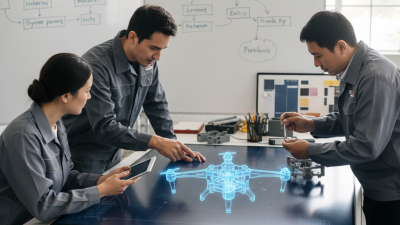
In 2026, collaborative design approaches are expected to reshape manufacturing. Engaging cross-disciplinary teams can lead to innovative solutions. A diverse team brings different perspectives. This diversity often sparks creativity and unique ideas.
However, collaboration is not without challenges. Miscommunication can occur when experts from various fields work together. Team members may have different priorities. It's crucial to create an environment that encourages open dialogue. Regular check-ins can help bridge gaps. Teams must foster mutual respect to enhance collaboration.
Implementing collaborative design requires restructuring workflows. This may seem daunting. But it’s a step toward more effective manufacturing processes. Soft skills, such as empathy and active listening, become essential. Teams must learn to navigate conflicts productively. Adapting to a collaborative culture takes time and patience. Embracing imperfection in this journey can lead to remarkable breakthroughs.